Pilates: What It Is, Who It’s For, and How It Fits Into Your Fitness Routine
When you hear Pilates, a system of low-impact movement focused on core stability, breath control, and precise muscle engagement. Also known as contrology, it was developed by Joseph Pilates in the early 1900s to help injured soldiers regain mobility—and today, it’s used by runners, dancers, office workers, and retirees alike. It’s not just about doing a hundred crunches. It’s about learning how your body moves, where it’s weak, and how to fix imbalances before they turn into injuries.
Pilates requires core strength, the ability to stabilize your spine and pelvis during movement—something every runner, cyclist, or even someone who sits at a desk all day needs. It doesn’t make you bulky. It makes you tighter, more controlled, and less likely to pull a hamstring or flare up your lower back. Many athletes use Pilates as active recovery—on rest days, after a long run, or before lifting weights. It’s the quiet counterbalance to high-intensity training.
It also builds flexibility, not just stretching, but dynamic range of motion with control. Think of it like yoga’s practical cousin—less meditation, more movement science. You’ll notice better posture, easier bending, and less stiffness when you stand up after sitting. And unlike some workouts that punish your joints, Pilates works with them. That’s why physical therapists recommend it for injury recovery, especially for back, knee, and shoulder issues. It’s gentle enough for someone recovering from surgery, but challenging enough for a pro athlete looking to fine-tune their movement.
There’s no magic formula. You don’t need a reformer machine. You don’t need to be young or fit to start. You just need to show up and pay attention to how your body feels. The best Pilates sessions aren’t the ones where you sweat the most—they’re the ones where you finally feel your deep abs fire up, or realize you’ve been holding your breath for the last ten minutes. That’s the moment it clicks.
What you’ll find in these posts isn’t a sales pitch for fancy studios or expensive gear. It’s real talk from people who’ve tried Pilates to fix pain, improve performance, or just move better without pain. You’ll see how a 40-year-old tennis player uses it to stay injury-free. How a marathoner added Pilates to cut recovery time. How someone who thought they were too stiff to touch their toes learned to bend without hurting. No hype. No gimmicks. Just what works.
Yoga or Pilates: Which Is Better for You?
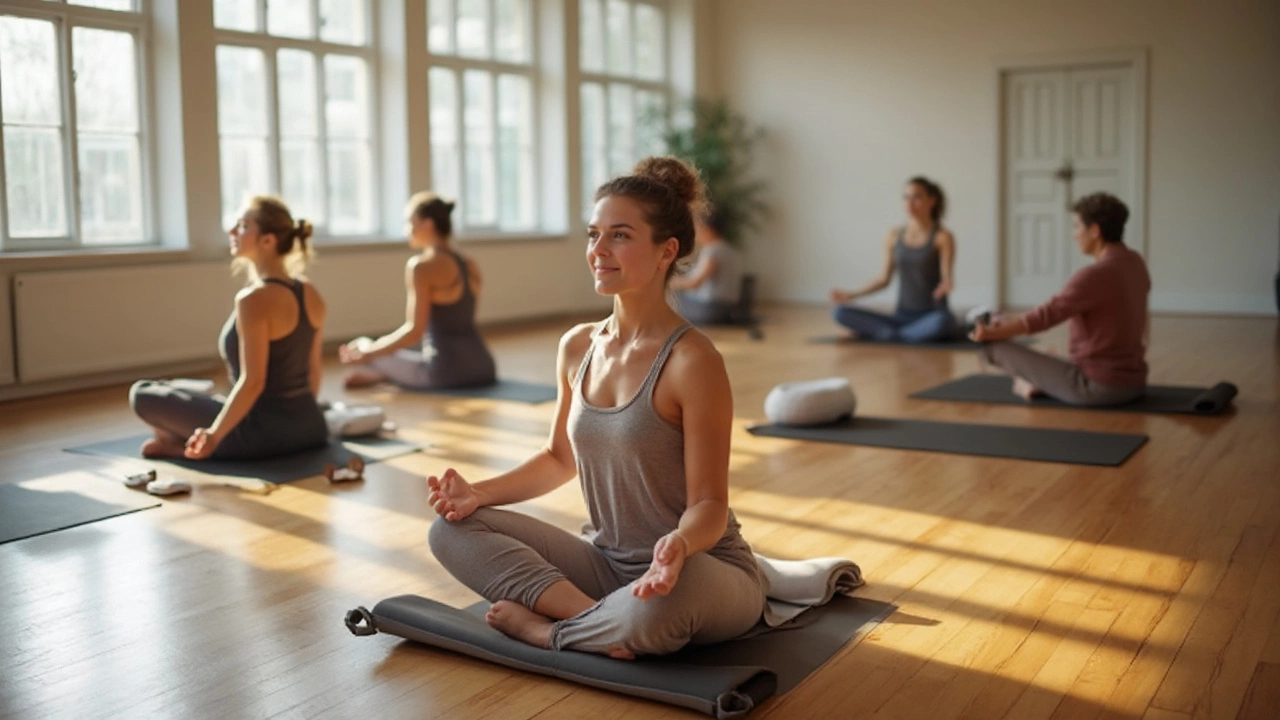
Confused between yoga and Pilates? This article breaks down the key differences, the benefits of each, and who is most likely to enjoy or benefit from either practice. We'll look at what happens in a typical class, how each works on your body and mind, and share useful insights so you pick what's right for you. Get the facts, skip the hype. You'll have a clearer idea of where to roll out your mat after reading.