Rugby Fixtures February 19, 2026
What Is the Hardest Position in Rugby?
Ask any rugby fan which position is the hardest, and you’ll get a dozen different answers. Some say the lock. Others swear by the scrum-half. A few will point to the fly-half or the prop. But here’s the truth: the hardest position in rugby isn’t about who hits the hardest or runs the farthest. It’s about who carries the most weight-physically, mentally, and emotionally-on every single play.
The Props: The Foundation That Breaks
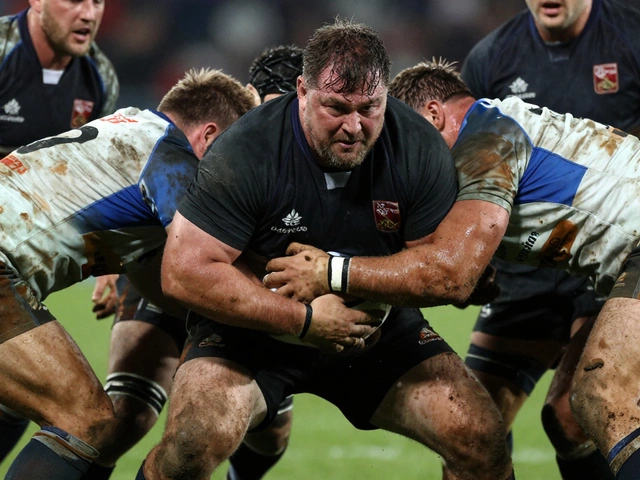
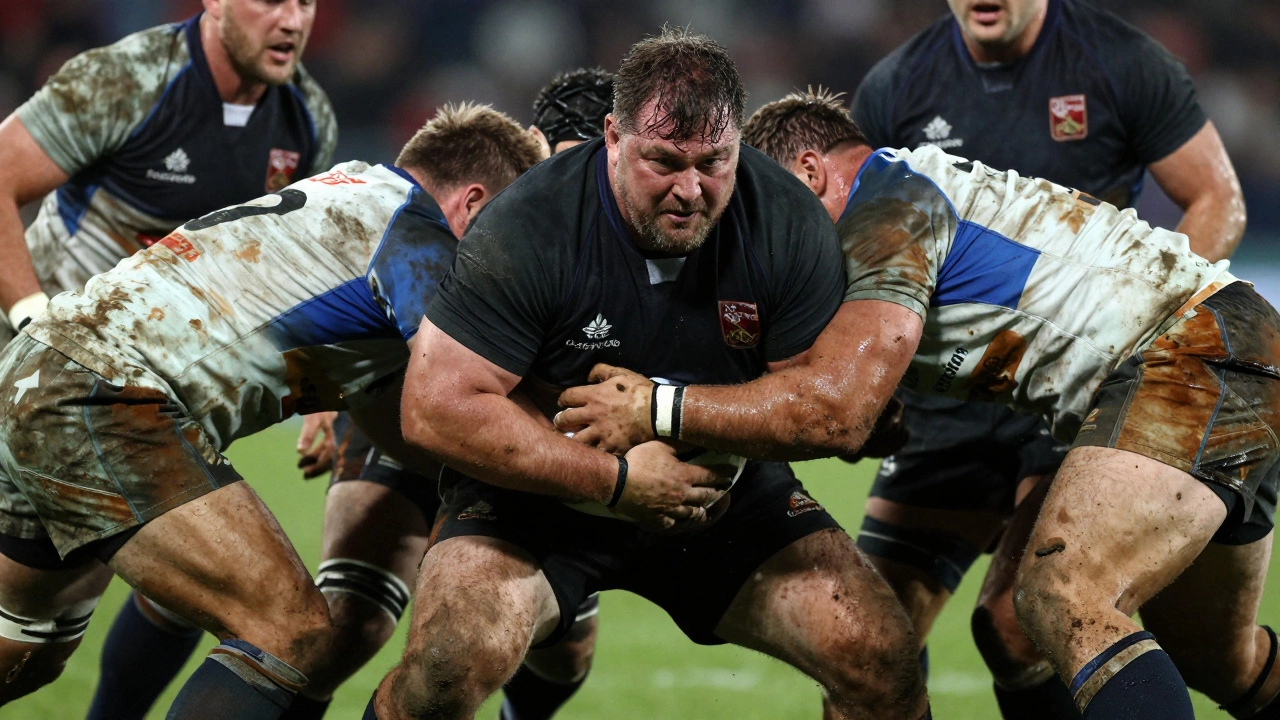
Props wear the heaviest load. They’re the ones who take the first hit in every scrum, often facing 300+ pounds of opposing force head-on. Their job? Hold the scrum together while their teammates drive forward. One slip, one misstep, and the entire set-piece collapses. That’s not just physical-it’s psychological. You’re expected to absorb punishment without flinching, even when your knees are buckling and your back is screaming.Props train like weightlifters, but their real test comes in the scrum. A top-level prop will engage in 15-20 scrums per match. Each one lasts 3-5 seconds. But those seconds require maximum tension, perfect alignment, and zero room for error. One wrong angle, and you’re penalized. One weak leg drive, and your team loses possession. And you don’t get to rest between them. You’re in the scrum again in 90 seconds.
Then there’s the tackle count. Props average 12-18 tackles per game. They’re not chasing the ball carrier across the field-they’re the first line of defense when the opposition breaks through the gain line. Their legs are shot by halftime. Their shoulders are bruised. Their necks are taped up like a wrestler’s. And they still have to be ready for the next set piece.
The Locks: The Engine Room
Locks are the tallest players on the field, but they’re not just for lineouts. They’re the engines of the forward pack. They do the dirty work in the scrum, driving with everything they’ve got. In open play, they’re the primary ball carriers in tight channels. They’re the ones who clean out rucks after tackles, often taking hits from three or four opponents at once.Locks cover more ground than most people realize. They run 8-10 kilometers per match. That’s more than a full marathon over the course of a season. They’re jumping for lineouts every 3-4 minutes, then sprinting back to the breakdown, then engaging in another scrum. Their bodies are under constant strain. Their knees wear out. Their backs ache. They’re expected to be strong, fast, and smart-all at the same time.
And yet, they rarely get the credit. No one cheers when a lock wins a lineout. No one notices when they clear out a ruck cleanly. But without them, the whole machine stops.
The Scrum-Half: The Brain on the Field
The scrum-half is the link between the forwards and the backs. They’re the ones who decide when to pass, when to kick, when to run. They’re the first to react to every breakdown. They’re the ones who call the plays, even though they’re not the captain.Think about this: the scrum-half has less than 2 seconds to pick up the ball from the ruck, assess the defense, and make a decision. One wrong pass, and the attack dies. One slow release, and the defense closes in. They’re constantly under pressure. Opposing players try to steal the ball right out of their hands. They get tackled before they can even move. They’re the smallest players on the field-but they’re the ones who take the most hits.
And their physical load? They’re the most active players in terms of touches. A top scrum-half handles the ball 40-60 times per game. That’s more than any other position. They’re sprinting, ducking, dodging, and passing. Their legs burn. Their arms ache. Their mind never stops calculating.
The Fly-Half: The Weight of the Team
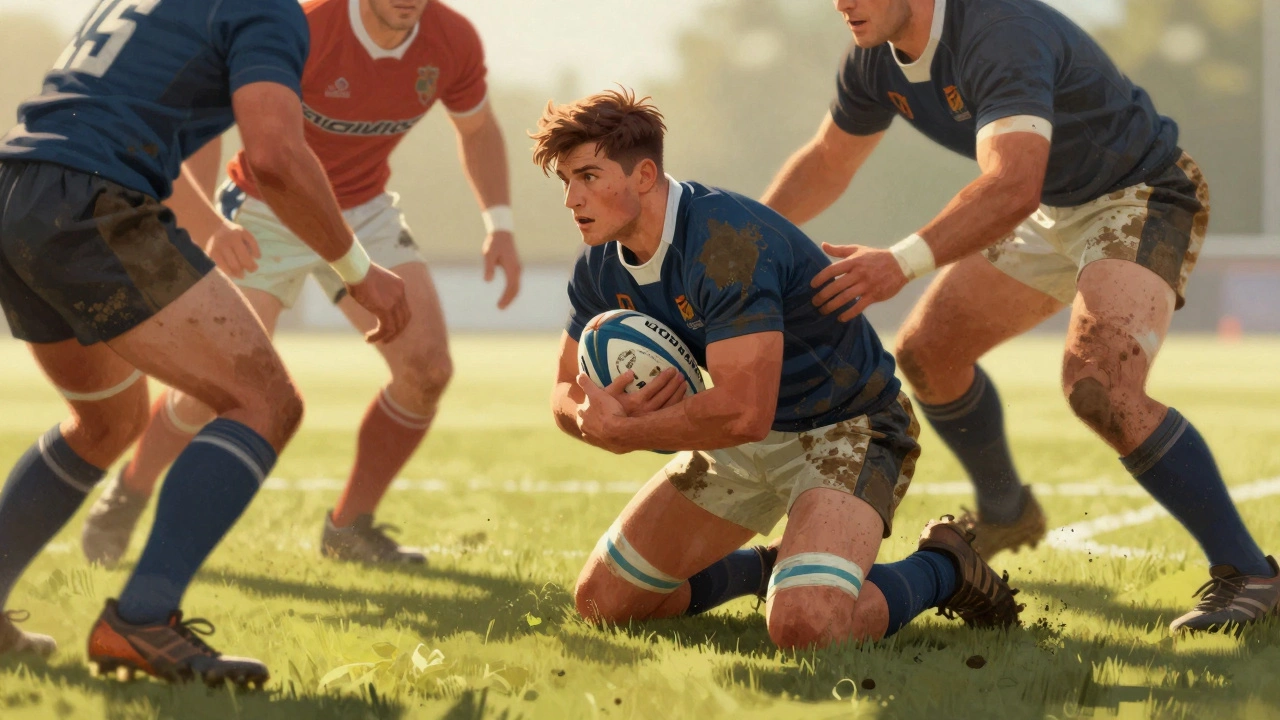
The fly-half is the playmaker. They’re the one who takes the ball from the scrum-half and decides the next move. If the fly-half makes a bad decision, the whole attack falls apart. If they miss a kick, the team loses points. If they get tackled too early, the momentum dies.They’re the most watched player on the field. Every defender targets them. Every coach watches their choices. Every fan holds their breath when they get the ball. They need to be calm under pressure, accurate with their passing, and fearless in the tackle. They have to read the defense before it forms. They have to anticipate where the gaps will open-even if the ball hasn’t been passed yet.
And the mental load? It’s insane. A fly-half makes 50-70 decisions per game. Each one has consequences. One bad kick can cost a try. One slow pass can lead to a turnover. One hesitation can let the defense reset. They’re not just playing rugby-they’re running a chess game at sprint speed.
The Fullback: The Last Line of Defense
Fullbacks are the final safety net. They’re the ones who catch high balls under pressure. They’re the ones who have to make last-ditch tackles when the defense breaks down. They’re the ones who have to start counterattacks from deep, often with three or four defenders closing in.A fullback covers 10-12 kilometers per match. That’s the most distance of any position. They’re constantly moving-backpedaling, sprinting, changing direction. They have to be fast, agile, and fearless. One missed tackle, and the opponent scores. One slow reaction, and the ball is gone.
And they’re expected to be good at everything: kicking, passing, tackling, running, catching. They’re the only player who touches the ball in every phase: defense, attack, restarts, and counterattacks. They’re the jack-of-all-trades-and the one who gets blamed when things go wrong.
The Real Answer: It Depends
So which is the hardest position? The answer isn’t one name. It’s a combination of factors: physical toll, mental load, decision speed, and public pressure.For pure physical punishment, it’s the prop. For constant mental strain, it’s the fly-half. For sheer workload, it’s the fullback. For unrelenting pressure, it’s the scrum-half. For endurance and versatility, it’s the lock.
There’s no single answer because rugby doesn’t work like that. Each position demands something different. But if you had to pick one that combines all the worst elements-constant contact, split-second decisions, zero margin for error, and no rest-you’d have to pick the scrum-half.
They’re the only player who touches the ball on every single play. They’re the first to react, the last to rest. They’re the ones who get tackled before they can breathe. They’re the ones who carry the team’s rhythm on their shoulders. And they do it all while being the smallest, most targeted player on the field.
Why This Matters
Understanding the hardest position isn’t just about bragging rights. It’s about appreciating the game. Rugby isn’t just about strength or speed. It’s about endurance, intelligence, and courage. The players in these roles don’t just train their bodies-they train their minds to handle pressure most people couldn’t survive for five minutes.Next time you watch a match, pay attention to the scrum-half. Watch how they move. How they think. How they react. You’ll see why this position isn’t just hard-it’s everything.
Is the prop really the toughest position because of scrums?
Yes, but not just because of scrums. Props endure constant physical abuse in scrums, rucks, and tackles. They’re the only forwards who must hold their body in a bent, loaded position for extended periods, putting extreme strain on their neck, back, and knees. A prop’s career often ends before 30 due to wear and tear. The scrum is just the most visible part of their suffering.
Why is the fly-half considered mentally demanding?
The fly-half makes more critical decisions per minute than any other player. They decide whether to pass, kick, run, or draw defenders-all in under 2 seconds. One bad call can cost a try. They need to read the defense before it forms, anticipate where gaps will open, and communicate with teammates while under pressure. Their error rate directly impacts the team’s score. No other position carries that level of responsibility.
Do fullbacks really run more than any other position?
Yes. Fullbacks typically cover 10-12 kilometers per match, more than any other player. They’re the last line of defense, so they must sprint back after every attack. They also start counterattacks, chase kicks, and cover wide channels. Their constant movement across the entire field makes them the most physically exhausted by the final whistle.
Can a scrum-half be replaced easily if they get injured?
No. Scrum-halves are among the hardest players to replace because their role is so specific. They need to have perfect timing with the forwards, lightning-fast decision-making, and the ability to read the game instinctively. A backup might be a good player, but without years of experience in that exact system, the team’s rhythm breaks. Many clubs keep two specialist scrum-halves on the roster for this reason.
Are locks underrated in rugby?
Absolutely. Locks are the glue of the forward pack. They win lineouts, drive in scrums, clean out rucks, and carry the ball in tight channels. Yet they rarely score tries or get highlight reels. Their value shows up in stats like ruck success rate and scrum stability-not points or tries. Coaches know their worth, but fans often overlook them until they’re gone.