Open Side Flanker: What It Is, Why It Matters in Rugby
When you watch rugby, one of the most relentless players on the field is the open side flanker, a specialized forward position focused on disrupting the opposition at the breakdown and winning quick ball. Also known as the number 7, this player doesn’t just tackle—they hunt, pounce, and control the pace of the game. Unlike the blindside flanker, who often locks down one side of the scrum, the open side flanker roams freely, always looking for the next ruck, the loose ball, or a tackle that breaks the opposition’s rhythm.
This role isn’t about size—it’s about timing and aggression. The best open side flankers are fast, low to the ground, and smart. They study the opposition’s habits: where the scrum-half feeds the ball, how the lock lands after a lineout, when the fly-half looks to pass. They’re the first to arrive at a ruck and the last to leave. In fact, many top teams measure a flanker’s success not by tackles made, but by how many turnovers they force. Look at players like Richie McCaw or Sam Cane—these aren’t just big men. They’re chess players in cleats, turning chaos into control.
It’s no accident that many of the posts here focus on rugby’s physical demands. From rugby players, athletes who combine explosive power with endurance to why they have massive legs, developed from scrummaging, sprinting, and constant low-body engagement, the open side flanker is the perfect example of how rugby shapes the body. Their training isn’t just about lifting weights—it’s about agility drills, reaction timing, and recovery. You won’t find them running marathons, but they do need the stamina to cover 80 minutes of high-intensity bursts. And yes, that’s why building stamina fast matters even for forwards.
Understanding the open side flanker helps you see rugby differently. It’s not just about who scores the try—it’s about who steals the ball before the try even happens. This position connects directly to the breakdowns, the rucks, the turnovers that decide matches. If you’ve ever wondered why some teams dominate possession even when they’re not the stronger side, chances are they’ve got a world-class number 7 pulling the strings.
Below, you’ll find real stories and breakdowns of rugby’s toughest roles—from how players train their legs to why the sport is called rugby in the first place. You’ll see how tactics, anatomy, and sheer grit come together. Whether you’re a new fan or a player trying to step into this position, this collection gives you the real picture—not the hype.
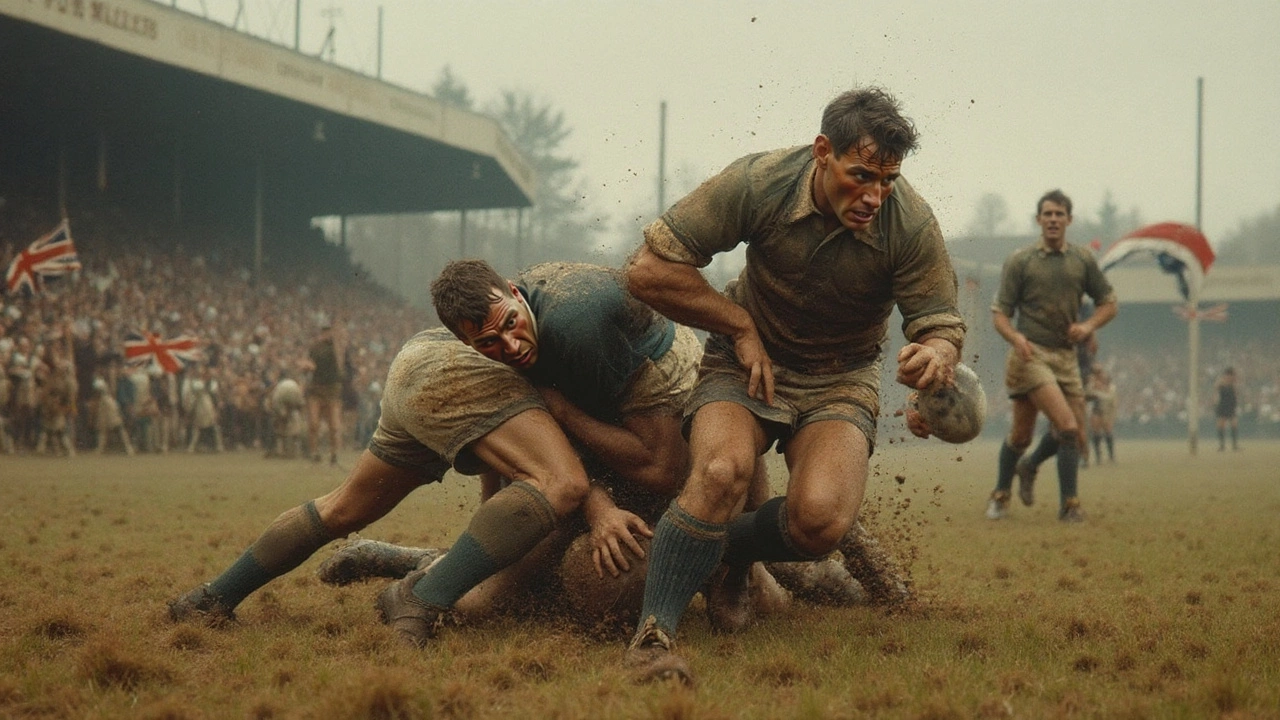
Why Is It Called a Jackler in Rugby? The Story Behind Rugby's Fierce Turnover Specialist
Ever wondered where the term 'jackler' in rugby comes from? This detailed read reveals its origins, the skills required, and its impact on modern rugby.