GPS Tracking in Sports: How Athletes Use It to Train Smarter
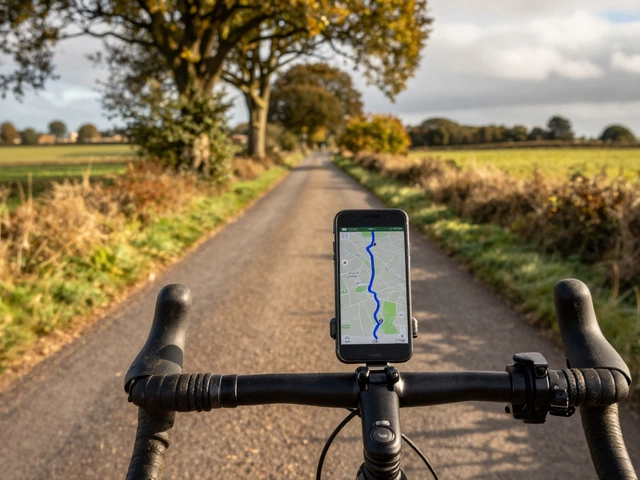
When you hear GPS tracking, a system that uses satellites to record an athlete’s movement, speed, and distance in real time. Also known as location tracking, it’s no longer just for hikers or delivery drivers—it’s a core tool in modern sports training. Whether you’re a weekend runner or a pro athlete, GPS tracking gives you hard data on exactly what your body is doing, not just how you feel.
It’s not magic—it’s math. Training metrics, like distance covered, sprint count, and heart rate zones, come straight from the device on your chest or wrist. Coaches use this to spot when someone’s overtraining or underperforming. Rugby players track how many high-speed sprints they make in a session. Marathoners check if their pace holds up in the last 5K. Even tennis players now wear GPS bands to measure court coverage and directional changes between points. These aren’t guesses—they’re facts pulled from satellites and sensors.
What makes GPS tracking different from old-school timers or pedometers? It shows athlete performance, not just total effort. Two runners might both hit 10 miles, but one spent 40% of that time jogging, the other sprinting in bursts. The GPS tells you which one trained smarter. It also catches hidden risks—like sudden drops in speed that signal fatigue before injury hits. That’s why teams from local clubs to the Premier League rely on it. You don’t need a pro setup to benefit, either. Affordable wearables now give you the same data elite athletes use.
There’s no need to overcomplicate it. You don’t have to be a tech expert. Just strap on a device, run, train, or play—then look at the numbers. Did you cover more ground this week than last? Did your recovery time improve? That’s progress. The posts below show real examples: how runners use GPS to bridge the gap from 10 miles to a marathon, how rugby players track leg power through movement data, and how even weekend warriors use these tools to avoid burnout. You’ll see how GPS tracking isn’t about chasing stats—it’s about understanding your body so you can train smarter, not harder.
Essential Sports Analysis Equipment Guide
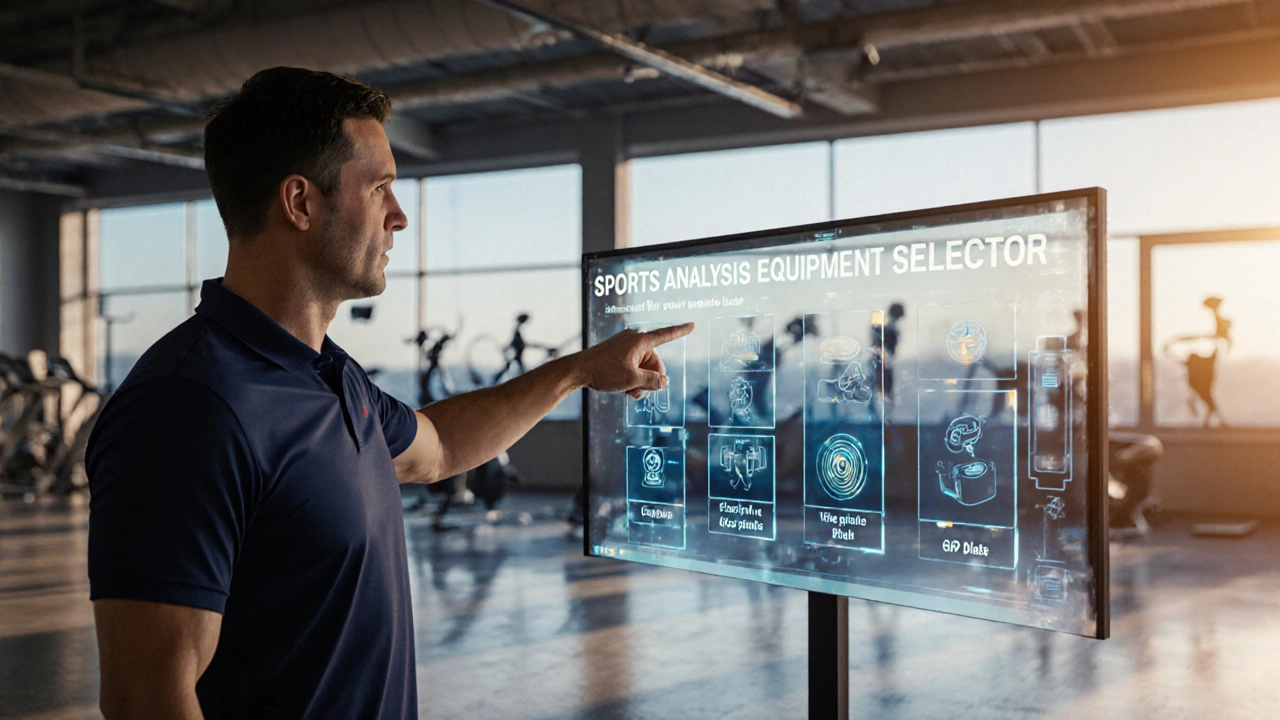
Discover the essential sports analysis equipment, from video cameras and drones to GPS trackers and force plates, with buying tips, a comparison table, and a practical FAQ.