Brazil rugby: Culture, players, and why it’s growing fast
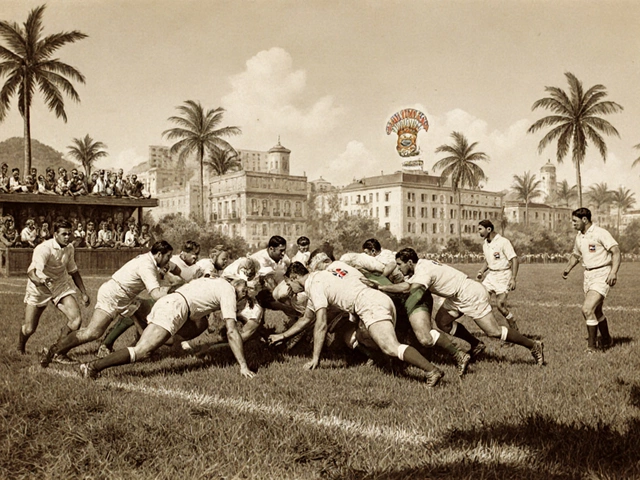
When you think of rugby, you probably picture New Zealand, South Africa, or England. But Brazil rugby, the fast-growing rugby scene in South America’s largest country, fueled by grassroots passion and rising international exposure. Also known as rugby union in Brazil, it’s not just a sport—it’s becoming a movement. Unlike in traditional rugby strongholds, Brazil didn’t inherit the game from colonial history. It grew from scratch—through schools, expats, and young athletes looking for something different than soccer.
What makes Brazil rugby stand out? It’s the athletes. Many come from soccer or futsal backgrounds, bringing speed, agility, and footwork that translate perfectly to the open-field play of rugby. You’ll see players with explosive bursts, sharp sidesteps, and relentless tackling—all built on years of street football, not rugby academies. The national team, the Brazil national rugby team, the official representative side competing in South American and global tournaments, often called the Tupi, has climbed the rankings by beating established teams in regional cups. Their wins aren’t luck—they’re the result of smarter training, better nutrition, and a culture that now sees rugby as a path to international recognition.
And it’s not just about the men. Women’s rugby in Brazil is exploding. Clubs in São Paulo and Rio are full of teenagers who’ve never played soccer competitively but found rugby more inclusive, less rigid, and more fun. The Brazil women’s rugby team, a rising force in Pan-American rugby, with players training full-time despite limited funding recently qualified for their first World Cup in over a decade. Their story isn’t about money or fame—it’s about grit.
Rugby in Brazil doesn’t have the TV deals or sponsorships of Europe, but it has something rarer: community. Local clubs run on volunteer coaches, donated gear, and parents driving kids to training after work. The game is taught in public schools in Brasília and Curitiba, not just private academies. And because the country’s size means talent is scattered, the national federation has started mobile training camps—coaches traveling by bus to remote towns to find the next star.
Why does this matter to you? Because Brazil rugby proves you don’t need centuries of tradition to build something powerful. It shows how a sport can grow when it’s accessible, when it fits local strengths, and when people believe in it enough to show up every day. You’ll find stories here about players who switched from soccer to rugby at 16, coaches who learned the rules from YouTube, and fans who turned their garages into makeshift change rooms. These aren’t outliers—they’re the heart of the game in Brazil.
Below, you’ll find real stories and insights from the Brazilian rugby scene—what it takes to play, how training differs from Europe, why leg strength matters more than you think, and how culture shapes the way the game is played. No fluff. Just what’s working on the ground.
Is Brazil Competitive in Rugby? Rankings, Recent Performance and Upcoming Fixtures
Explore Brazil's rugby progress, world ranking, key players, upcoming fixtures and how the team stacks up against regional rivals.

How Good Is Brazil at Rugby? Breaking Down the Nation’s Progress and Fixtures
Curious if Brazil stands a chance in the rugby world? This article peels back the curtain on Brazil's rugby scene, exploring how the national team performs, their history, and what their fixture calendar looks like. You'll get real stats, interesting trivia, and tips on what matches to watch. Whether you’re a longtime rugby follower or just starting, you’ll discover if Brazil is a team worth keeping an eye on. No fluff—just real talk about Brazil’s place in the rugby universe.