Running Shoes July 12, 2026
Is It OK to Run Barefoot? The Truth About Foot Strike, Injury Risks, and Transitioning Safely
Barefoot Running Transition Calculator
Your Profile & Progress
0 mins
0 mins
120 mins
spm
Analysis & Recommendations
Enter your details and click "Analyze My Progress" to see your personalized barefoot running roadmap.
Imagine lacing up your favorite pair of cushioned trainers, hitting the pavement, and feeling every pebble beneath your feet. Sounds painful, right? That’s exactly why most of us run in thick-soled shoes. But a growing number of runners are stripping away that protection, opting to run barefoot or in ultra-thin "minimalist" footwear. They claim it feels more natural, reduces injury risk, and improves form. Others say it’s a recipe for broken bones and chronic pain.
So, is it actually okay to run barefoot? The short answer is: yes, but only if you do it correctly. Your body isn’t designed to be padded like a marshmallow, but it also isn’t designed to switch from decades of cushioned support to zero protection overnight. If you jump into barefoot running without preparation, you will likely get hurt. If you transition slowly and intelligently, you might find a new level of comfort and efficiency.
The Science Behind Barefoot Running
To understand whether barefoot running works for you, you first need to understand what changes when you take off your shoes. Modern running shoes, especially those with high heels and thick foam midsoles, alter how your foot hits the ground. Most shod runners land on their heels. This creates a sharp impact force that travels up your leg, absorbed partly by the shoe and partly by your joints.
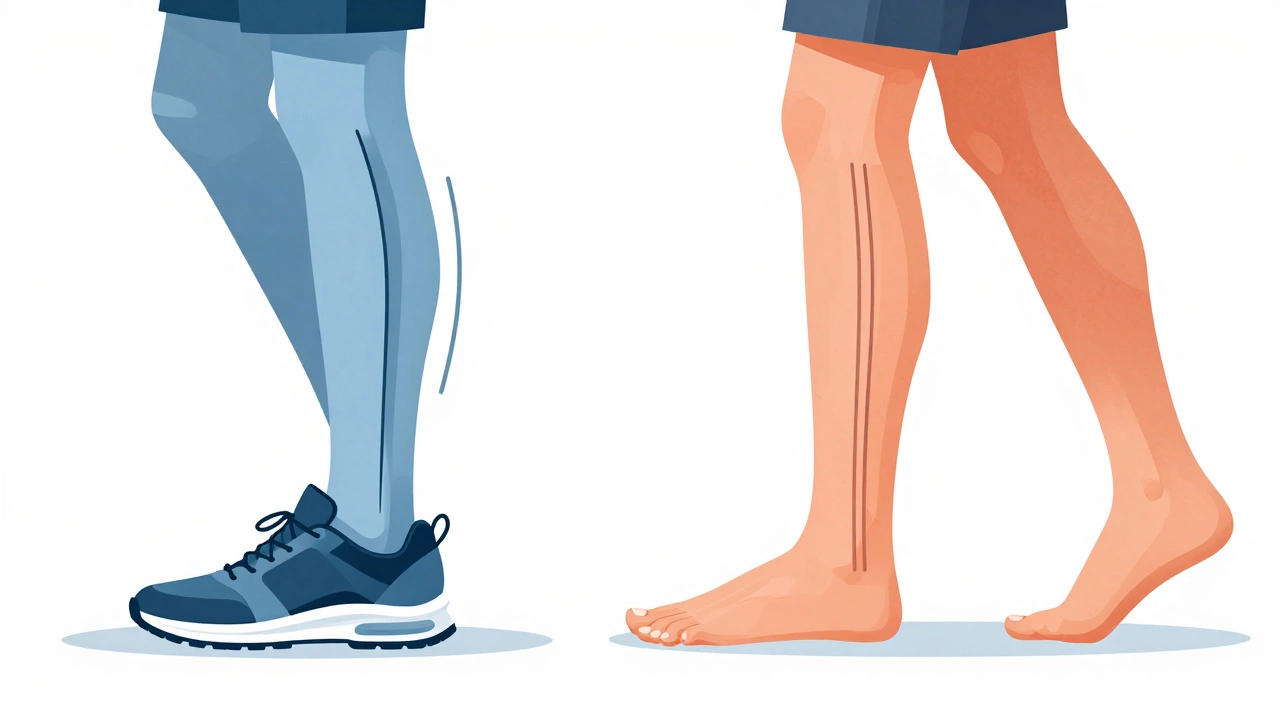
When you remove the shoe, that heel-strike becomes incredibly uncomfortable. The lack of cushioning forces your brain to adapt instantly. You naturally shift your landing point forward, striking the ground with the middle or front of your foot. This is called forefoot striking. This change in biomechanics shifts the load from your knees and hips to your calves and Achilles tendons. Studies published in journals like Medicine & Science in Sports & Exercise suggest this can reduce knee osteoarthritis risks, but it increases stress on the lower leg muscles.
Your foot is not just a passive platform; it’s a complex structure of 26 bones, 33 joints, and over 100 muscles, tendons, and ligaments. When encased in rigid shoes, these structures weaken from disuse. Barefoot running aims to reactivate them, turning your foot back into a dynamic shock absorber rather than a dead weight.
Pros and Cons: What Do You Gain (and Lose)?
Before you ditch your sneakers, weigh the benefits against the risks. There is no free lunch in fitness.
The Benefits:
- Better Proprioception: Your feet are covered in nerve endings. Without thick soles blocking sensation, your brain gets real-time feedback about the terrain. This helps you adjust your stride automatically, potentially improving balance and agility.
- Stronger Feet: Regular barefoot activity strengthens the intrinsic muscles of the foot. Think of it like going to the gym for your toes. Stronger arches can lead to better stability and less fatigue over long distances.
- Natural Gait Correction: Many runners have inefficient forms due to reliance on supportive gear. Barefoot running often encourages shorter strides and higher cadence (steps per minute), which is generally considered a more efficient running economy.
The Risks:
- Calf and Achilles Strain: This is the #1 injury for beginners. Your calves and Achilles tendon aren’t used to bearing the brunt of the impact. Pushing too hard, too fast leads to inflammation, tears, or even ruptures.
- Plantar Fasciitis: While some argue barefoot running cures plantar fasciitis, others aggravate it. If your arches collapse because they’re weak, the fascia stretches too much, causing heel pain.
- Cuts, Blisters, and Infections: The outdoors is dirty. Glass shards, thorns, and rough concrete can damage unprotected skin. There’s also a small risk of tetanus or fungal infections if you don’t keep your feet clean.
Minimalist Shoes: The Middle Ground
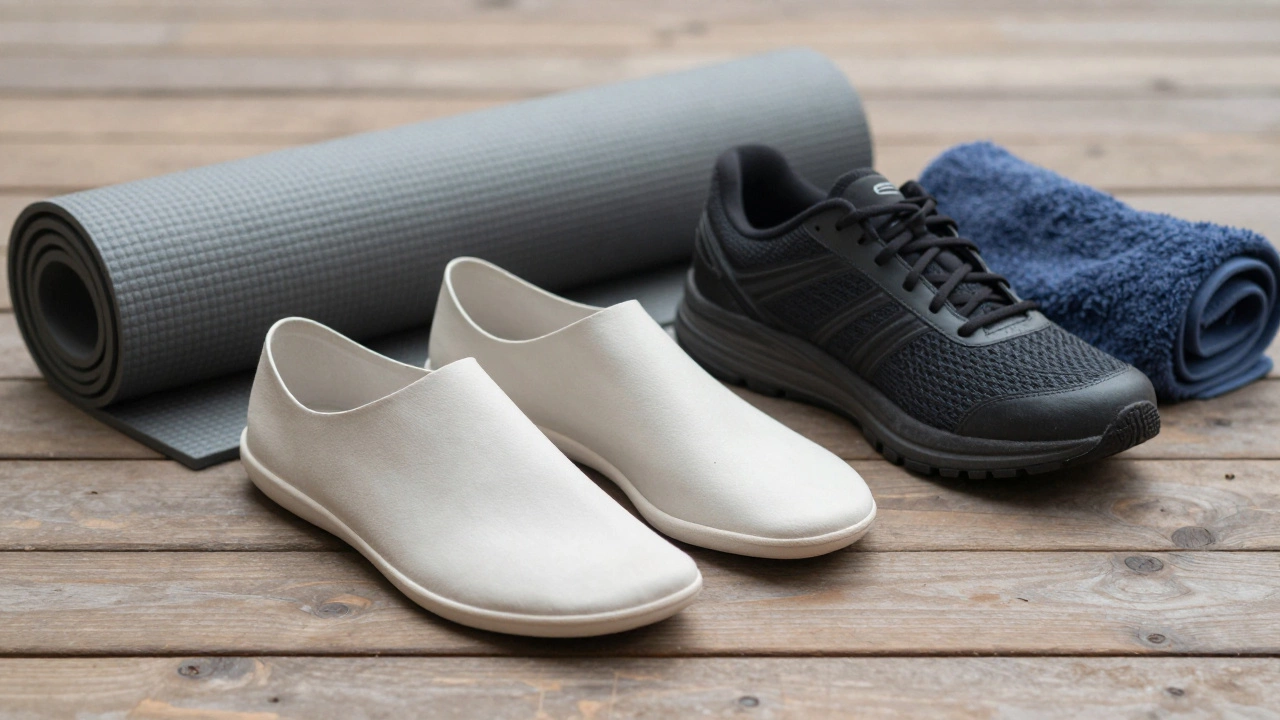
You don’t have to go full caveman to reap some benefits. Enter minimalist shoes. These are designed to mimic barefoot running while offering basic protection from debris and extreme temperatures. Brands like Vibram FiveFingers, Merrell Vapor Glove, and Altra Torin offer options with thin, flexible soles and wide toe boxes.
Unlike traditional running shoes, minimalist shoes typically have:
- Zero Drop: The heel and forefoot are at the same height, promoting a neutral stance.
- Flexibility: You should be able to crumple the shoe in your hand easily.
- Wide Toe Box: Allows your toes to splay naturally, improving balance.
Many runners use minimalist shoes as a bridge. They start in their regular shoes, switch to minimalists for short intervals, and eventually graduate to true barefoot running on safe surfaces. This gradual approach allows tissues to adapt without the shock of total exposure.
How to Transition Safely: A Step-by-Step Guide
If you decide to try barefoot or minimalist running, patience is your best friend. Rushing this process is how people end up on crutches. Here is a practical roadmap to follow.
- Start Short: Begin with just 5-10 minutes of barefoot walking or very slow jogging. Do this on soft, predictable surfaces like grass, sand, or a dirt trail. Avoid concrete initially.
- Focus on Form: Aim for a quick, light step. Imagine you’re running on hot coals. Keep your stride short and your cadence high (aim for 170-180 steps per minute). Land softly under your center of gravity, not out in front of you.
- Increase Gradually: Add one minute of barefoot running every week. If you feel any sharp pain in your calves, Achilles, or soles, stop immediately. Soreness is normal; sharp pain is not.
- Strengthen Your Feet: Incorporate foot exercises into your daily routine. Try towel scrunches (using your toes to pull a towel toward you), marble pickups, or calf raises. Stronger feet handle barefoot running better.
- Listen to Your Body: Switch back to cushioned shoes for longer runs until your body adapts. It can take 6-12 months to fully transition safely.
Who Should Avoid Barefoot Running?
Barefoot running isn’t for everyone. Certain conditions make it risky or inadvisable. Consult a podiatrist or sports medicine doctor if you have:
- Diabetes: Diabetic neuropathy reduces sensation in the feet. You might not feel a cut or blister, leading to serious infections.
- Severe Flat Feet or High Arches: Without proper support, extreme structural issues can worsen, leading to chronic pain.
- History of Stress Fractures: If your bones are prone to breaking under repetitive stress, adding uncontrolled impact variables is dangerous.
- Obesity: Extra body weight significantly increases the impact force on your feet and joints. Losing weight before attempting barefoot running is safer.
Practical Tips for Everyday Barefoot Activity
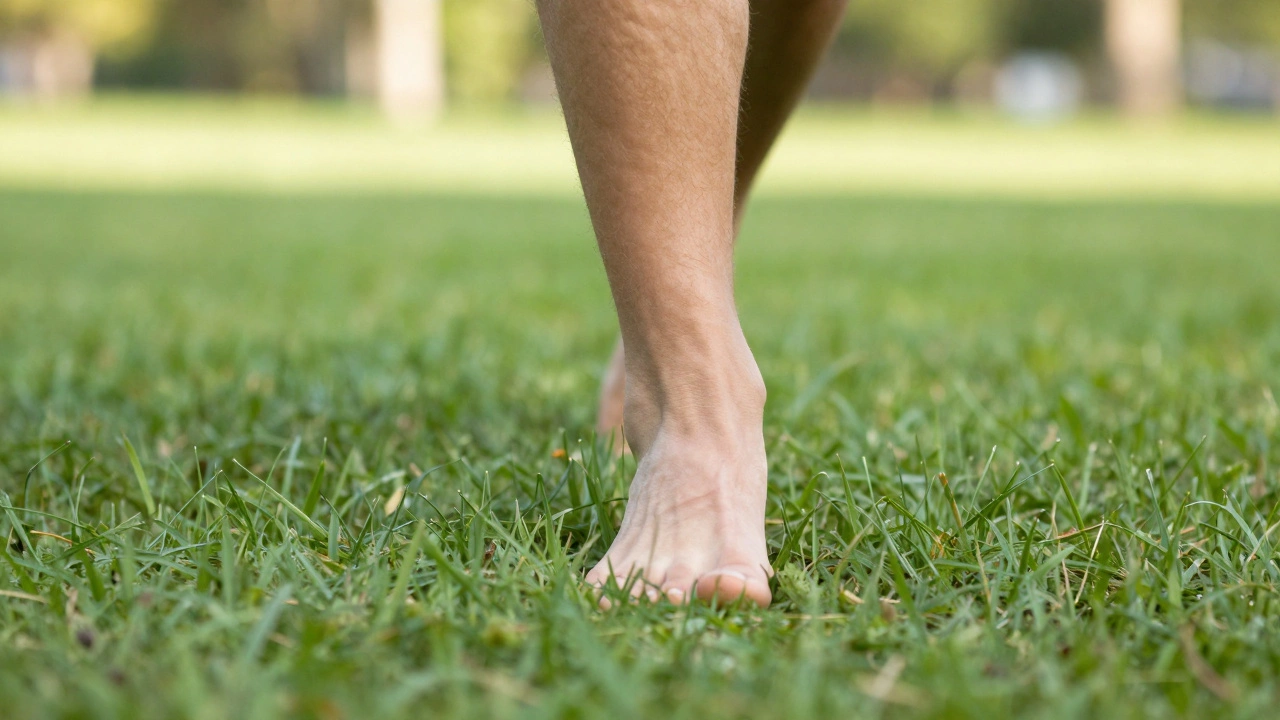
You don’t need to run marathons barefoot to benefit. Start integrating barefoot time into your daily life. Take off your shoes at home. Walk barefoot in the garden. Stand barefoot during desk work. This builds tolerance and strength incrementally. When you do venture outside, choose your terrain wisely. Grass is forgiving; asphalt is unforgiving. Check for hazards like glass, nails, or animal waste. And always wash your feet afterward to prevent fungal issues.
Can running barefoot cure plantar fasciitis?
It can help, but it’s not a guaranteed cure. For some, strengthening the foot muscles and correcting gait reduces strain on the plantar fascia. However, if your arches are weak, barefoot running might initially aggravate the condition. Always consult a healthcare professional before using barefoot running as a treatment method.
How long does it take to transition to barefoot running?
A safe transition typically takes 6 to 12 months. It depends on your current fitness level, foot strength, and how gradually you increase your barefoot mileage. Rushing the process often leads to injury, which sets you back further.
Are minimalist shoes better than barefoot running?
Minimalist shoes offer a safer compromise for most people. They provide protection from sharp objects and extreme temperatures while still allowing natural foot movement and proprioception. They are ideal for transitioning or for running on mixed terrains.
Will running barefoot cause my heels to crack?
Yes, dry, cracked heels are common in early stages. Your skin needs time to toughen up. Use moisturizer regularly and avoid running on abrasive surfaces like hot asphalt until your skin adapts. Wearing minimalist shoes can also protect your heels during the transition.
Is barefoot running good for kids?
Generally, yes. Children’s feet are still developing, and barefoot play helps strengthen muscles and improve balance. However, supervise them to avoid injuries from sharp objects or hazardous environments. Soft-soled shoes are a good alternative for playgrounds.