Running Shoes August 10, 2026
Do Running Shoes Matter for Beginners? The Truth About Footwear
Running Shoe Selector & Mileage Calculator
Your Running Profile
Enter your details to get personalized shoe recommendations and track your gear's lifespan.
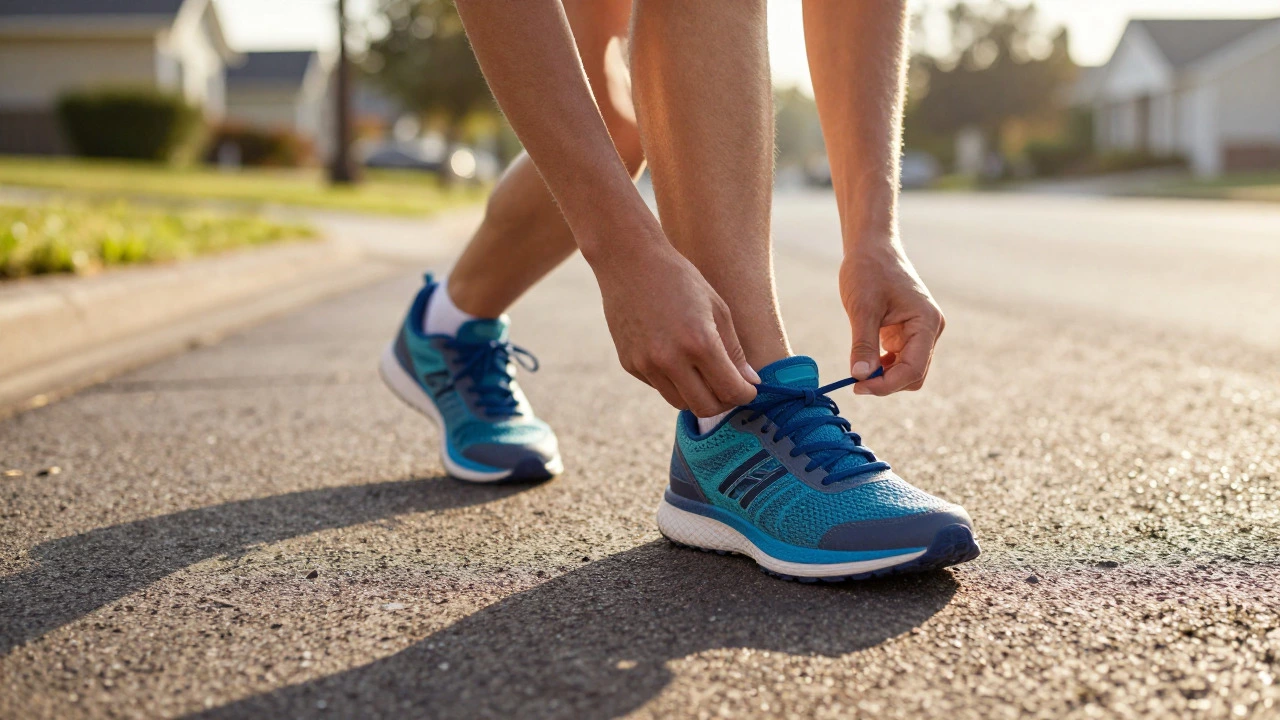
You lace up your sneakers, step onto the pavement, and take your first few strides. Your legs feel light, but after a mile, something feels off. Maybe it’s a dull ache in your shins or a sharp pinch on your heel. You might be asking yourself: do running shoes matter for beginners? The short answer is yes. But not for the reasons you might think.
We’ve all heard the marketing hype. Companies spend millions telling us we need high-tech carbon plates, proprietary foam blends, and gait analysis to run safely. For a beginner, this can feel overwhelming. Do you really need to spend $150 on your first pair of kicks? Or can you just grab whatever is on sale at the discount store?
The reality lies somewhere in the middle. Running shoes are not magic bullets that prevent injuries on their own, but they are essential tools that protect your body from the repetitive impact of pounding the ground. Getting the right pair isn’t about buying the most expensive option; it’s about understanding how your foot interacts with the road and choosing gear that supports that relationship without causing harm.
The Myth of "Neutral" vs. "Stability"
If you walk into a running store, the first thing they will likely ask you is whether you need neutral or stability shoes. This question stems from the concept of pronation. Pronation is simply the natural inward roll of your foot when it hits the ground. It’s a shock-absorbing mechanism built into human anatomy.
For years, retailers pushed the idea that if you overpronate (roll too far inward), you need a "stability" shoe with extra support on the inner side. If you underpronate (roll outward), you need motion control. However, recent research has shifted this perspective. Many experts now argue that forcing your foot into a "neutral" position with rigid shoes can actually weaken the muscles in your feet and ankles over time.
| Shoe Type | Best For | Key Feature | Potential Risk |
|---|---|---|---|
| Cushioned Neutral | Most beginners, high mileage | Soft foam midsole | May reduce proprioception (body awareness) |
| Stability | Runners with chronic knee/hip pain linked to overpronation | Denser medial post or dual-density foam | Can feel stiff or restrictive |
| Daily Trainer | General use, varied terrain | Balanced cushioning and durability | Fewer specialized benefits |
As a beginner, unless you have a diagnosed biomechanical issue, starting with a well-cushioned neutral shoe is often the safest bet. These shoes provide ample protection without interfering with your natural movement pattern. Brands like Nike, Adidas, and New Balance offer excellent entry-level neutral trainers that prioritize comfort and durability over complex engineering.
Fit Is More Important Than Brand
Here is the most critical piece of advice for any new runner: fit trumps brand loyalty every single time. A $200 pair of shoes that fits poorly is worse than a $80 pair that fits perfectly. Poor fit is the leading cause of blisters, black toenails, and hot spots that ruin early runs.
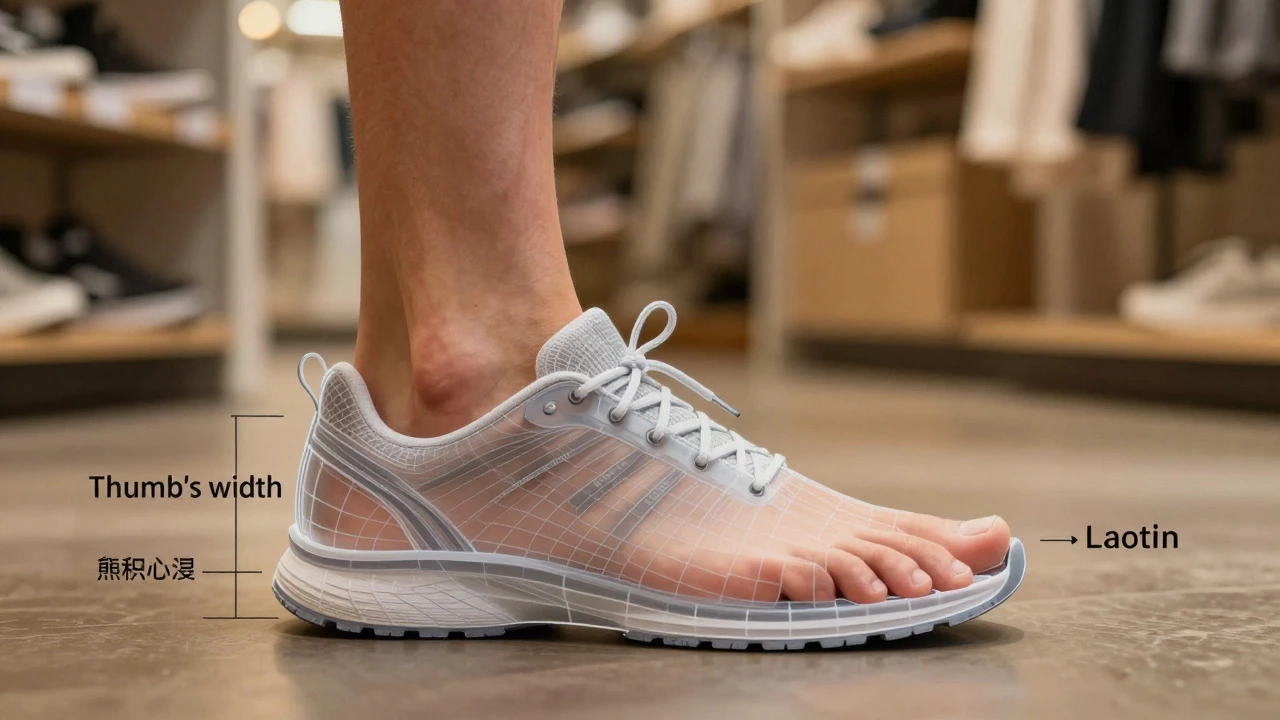
Your feet swell during exercise. In fact, they can expand by up to half a size or more after a long run. This means you should never buy running shoes based on how they feel when you’re standing still in the morning. Always shop for shoes in the late afternoon or evening when your feet are at their largest. When you try them on, ensure there is about a thumb’s width of space between your longest toe and the end of the shoe. This "toe box" space prevents your toes from jamming forward when you strike the ground.
Pay attention to the heel collar. It should hug your ankle snugly without rubbing. If the heel slips up and down while you walk around the store, you’ll develop blisters within miles. Also, check the width. Some brands, like Saucony and Brooks, offer wide versions of their popular models. If your feet feel squeezed on the sides, don’t suffer through it. Switch to a wider model or a different brand.
Cushioning and Stack Height Explained
You’ll see terms like "stack height" and "drop" on shoe boxes. These numbers describe the thickness of the foam under your foot. Stack height is the total thickness of the midsole. Drop is the difference in height between the heel and the forefoot.
Beginners generally benefit from higher stack heights. Why? Because your joints-knees, hips, and lower back-are not yet conditioned to absorb the impact of running. Thick foam acts as a buffer, reducing the load on your bones and muscles. Modern foams, such as Nike’s React or Adidas’ Boost, are designed to be lightweight yet highly responsive. They return energy to your stride, making each step feel easier.
Drop, measured in millimeters, affects your running posture. A typical drop is 8-10mm. This encourages a heel-strike pattern, which is common among beginners. Zero-drop shoes, where the heel and toe are at the same level, force you to land on your midfoot or forefoot. While some runners swear by zero-drop for better form, transitioning to them too quickly can strain your Achilles tendon and calves. Stick to a moderate drop (6-10mm) until you’ve built up strength and mileage.
Durability and Longevity
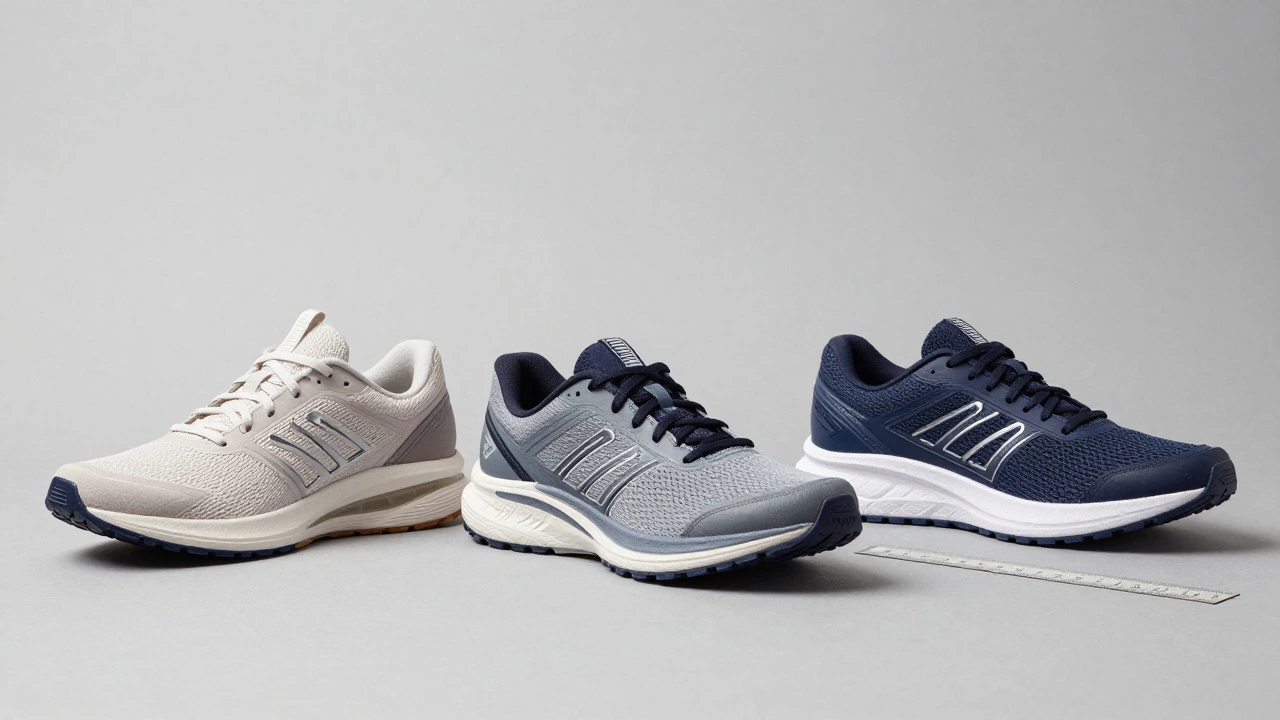
How long do running shoes last? The general rule of thumb is 300 to 500 miles. For a beginner running three times a week, this translates to about six to nine months. After this point, the foam breaks down, losing its ability to cushion effectively. Even if the outsole rubber looks fine, the midsole may be compressed, increasing your risk of injury.
To extend the life of your shoes, avoid wearing them for non-running activities. Don’t wear them to the gym for weightlifting or walking the dog. Different surfaces break down shoes differently. Concrete is harder on foam than asphalt or dirt trails. If you mix terrains, consider having two pairs of shoes and rotating them. This allows the foam to decompress and recover between runs, maintaining its resilience longer.
Inspect your shoes regularly. Look for uneven wear on the outsole. If one side is significantly more worn than the other, it might indicate an asymmetry in your gait. While slight variations are normal, extreme wear patterns could signal a need for professional assessment. Keep track of your mileage using a running app or a simple logbook. Knowing exactly when you bought your shoes and how many miles you’ve logged helps you replace them proactively rather than reactively.
Cost vs. Value for New Runners
Does price equal performance? Not necessarily. Entry-level running shoes often cost between $80 and $120. Premium models can exceed $200. The difference usually comes down to advanced materials, lighter weight, and specific performance enhancements. For a beginner who is still building consistency, these marginal gains are less important than basic comfort and durability.
Investing in a quality pair of mid-range shoes is wise, but splurging on top-tier racing flats or maximalist super-shoes is unnecessary. You don’t need carbon fiber plates to jog around the block. Focus on finding a shoe that feels good from the moment you slip it on. Comfort is subjective. What works for your friend might cause pain for you. Trust your own feet over online reviews.
Consider trying before you buy. Many running stores offer free gait analysis or test runs on treadmills. Take advantage of these resources. Walk around the store, run on the treadmill, and pay attention to how the shoe feels. Does it slide? Is it too tight? Does it feel supportive? Your immediate reaction is a strong indicator of long-term compatibility.
Common Mistakes to Avoid
Even with the best intentions, beginners make costly errors when choosing footwear. One common mistake is ignoring the type of surface you’ll be running on. Road shoes have smooth outsoles designed for pavement. Trail shoes have lugged soles for grip on dirt and mud. Using road shoes on slippery trails can lead to falls, while trail shoes on concrete wear out quickly and feel clunky.
Another error is neglecting socks. Cheap cotton socks retain moisture, leading to blisters and cold feet. Invest in synthetic or wool-blend running socks. Brands like Smartwool or Balega offer options that wick sweat and reduce friction. Pairing great shoes with bad socks is like putting premium gas in a car with flat tires-it undermines the entire system.
Finally, don’t ignore pain. If a new pair of shoes causes discomfort after the first few runs, stop wearing them. Break-in periods exist, but they shouldn’t involve agony. Minor stiffness is normal; sharp pain is not. Return the shoes if possible. Most retailers offer generous return policies for unworn or lightly worn running shoes. Use them to find the right fit.
Making the Final Decision
Choosing running shoes doesn’t have to be a daunting task. Start by identifying your primary running surface. Then, visit a store in the evening. Try on several pairs, focusing on fit, cushioning, and overall comfort. Prioritize neutral, well-cushioned models unless you have specific medical advice otherwise. Avoid overspending on features you don’t need yet. Remember, the best shoe is the one that keeps you running consistently and pain-free.
Your journey as a runner begins with your feet. Treat them with respect, and they’ll carry you far. Whether you’re aiming for a 5K or just enjoying fresh air, the right pair of shoes makes the experience enjoyable rather than painful. So, do running shoes matter for beginners? Absolutely. They are the foundation of your running habit. Build that foundation wisely, and your miles will add up without the setbacks.
Should I get my feet analyzed before buying running shoes?
While gait analysis can be helpful, it is not strictly necessary for most beginners. Retailers often use video analysis to recommend stability shoes, but current evidence suggests that neutral shoes work well for the majority of people. Unless you have a history of specific injuries like plantar fasciitis or shin splints, focus on fit and comfort instead of technical metrics. Trust how the shoe feels on your feet during a test run.
How much should I spend on my first pair of running shoes?
Aim for the $80 to $120 range. This price point offers reliable cushioning, durable outsoles, and comfortable fits without the premium markup of elite racing shoes. You don't need to spend over $150 unless you have very specific needs or prefer certain high-end brands. Quality entry-level models from major brands provide excellent value and protection for new runners.
Can I use old sneakers for running?
It depends on the condition of the sneakers. If they are worn-out fashion sneakers or basketball shoes, they lack the necessary cushioning and flexibility for running. This increases your risk of injury. If you have relatively new, neutral athletic shoes with good tread, you might manage short distances initially. However, dedicated running shoes are designed specifically to handle the repetitive impact forces of running, making them a safer and more comfortable choice long-term.
What is the best time of day to buy running shoes?
Late afternoon or evening is ideal. Your feet naturally swell throughout the day due to gravity and activity. Trying on shoes in the morning when your feet are smaller can result in buying a size that becomes too tight later. Shopping in the evening ensures you account for this swelling, providing a more accurate fit for your actual running conditions.
How often should I replace my running shoes?
Replace your shoes every 300 to 500 miles. Track your mileage using a running app or journal. Signs that your shoes are worn out include visible creasing in the midsole, uneven wear on the outsole, or increased joint pain after runs. Even if the exterior looks fine, the internal foam loses its shock-absorbing properties over time, which can lead to injuries if ignored.
Are minimalist or barefoot shoes good for beginners?
Generally, no. Minimalist shoes require significant strength in your feet, ankles, and calves. Transitioning to them too quickly can cause stress fractures, Achilles tendinitis, or calf strains. Beginners should start with traditional, cushioned shoes to build endurance and strength. If you are interested in minimalist running, consult a physical therapist and transition very gradually over many months.
Does the color of the shoe affect performance?
No, color has no impact on performance. Choose a color you like because aesthetics play a role in motivation. If you enjoy looking at your shoes, you might be more inclined to go for a run. However, dark colors may show dirt more easily on trail runs, while light colors can fade faster in the sun. Functionally, all colors perform the same.