Rugby Fixtures August 2, 2026
What Do Brits Call Rugby? The Real Names for Rugby Union and League
Rugby Scoring Calculator: Union vs. League
Match Statistics
Enter the number of events for both teams to see how the score differs between the two codes.
Team A
Team B
Score Comparison
RUGBY UNION
Try: 5 | Conv: 2 | Pen: 3 | Drop: 3
0
-
0
RUGBY LEAGUE
Try: 4 | Conv: 2 | Pen: 2 | Drop: 1
0
-
0
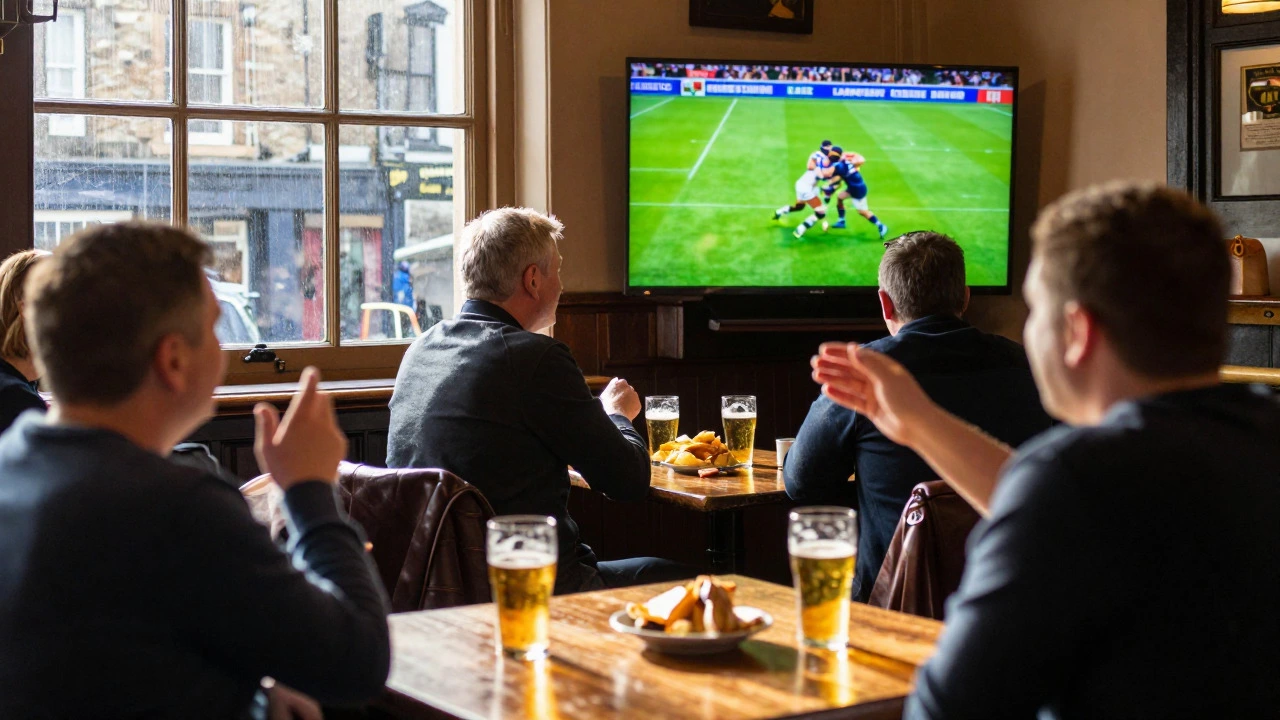
You walk into a pub in Bristol on a Saturday afternoon. The TV is blaring. A scrum is collapsing. Someone shouts, "Pass the ball!" Another person yells back, "It's not football, mate." You might be wondering: if it’s so different from football, why do we call it rugby? And more importantly, what exactly are people talking about when they say "rugby" in the UK?
Here is the short answer: most Brits just call it rugby. But that word is a blanket term covering two completely different sports with different rules, different histories, and often, different fanbases. If you want to sound like you know what you’re talking about at the next match, you need to know the difference between Rugby Union and Rugby League.
The Great Divide: Union vs. League
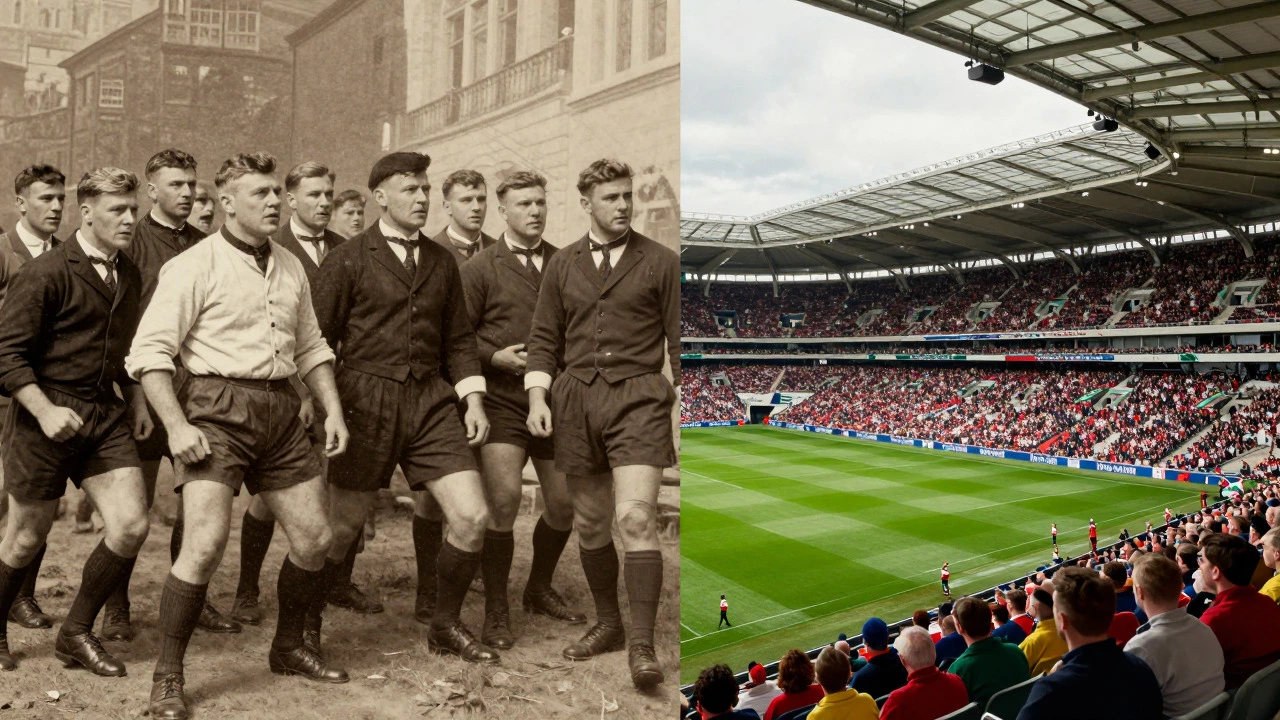
In Britain, "rugby" isn't one game. It’s two. This split happened over 150 years ago in 1895, born out of a class war over money. The working-class players in the north of England were tired of losing wages to recover from injuries. They wanted compensation. The governing body said no. So, the northern clubs broke away and formed the Northern Rugby Football Union (which later became Rugby League). The rest stayed as the Rugby Football Union (Rugby Union).
This isn’t just history; it dictates how people talk today. If you are in London, Bristol, or Bath, "rugby" almost always means Rugby Union. If you are in Leeds, Wigan, or Bradford, "rugby" usually means Rugby League. Using the wrong term can get you some funny looks.
| Feature | Rugby Union | Rugby League |
|---|---|---|
| Players per side | 15 | 13 |
| Substitutions | Unlimited (tactical) | Limited (usually 4-6) |
| Tackling Rule | Continuous play after tackle | New set of play every 6 tackles |
| Scrum Restart | Yes, after certain penalties | No, restart from center |
| Primary Regions | Southern England, Wales, Scotland, Ireland | Northern England, parts of Australia/New Zealand |
What People Actually Say in Conversation
If you ask a Brit "Do you watch rugby?" they will likely assume you mean the version popular in their area. However, there are specific slang terms and shorthand that reveal your level of fandom instantly.
- "The Game": In tight-knit communities, especially in the North of England, Rugby League is often just referred to as "the game." It carries a sense of tradition and local identity.
- "Union": Fans of the 15-man code often specify "Union" to distinguish it from League, especially when discussing international tournaments like the Six Nations.
- "League": Similarly, fans of the faster, six-tackle code will say "League" to avoid confusion. You’ll hear this heavily during Super League season.
- "Rugby Sevens": This is the Olympic version. It’s fast, chaotic, and played with seven players per side. Brits rarely confuse this with the main codes because it’s primarily an international spectacle rather than a club sport.
Regional Accents and Attitudes
Where you stand in the UK changes the language. In the South West, where I live in Bristol, Rugby Union is king. We follow the Premiership teams like Bristol Bears and Bath. Here, if someone says "I’m going to the rugby," they mean a 15-a-side match. The conversation revolves around tries, conversions, and the physicality of the forwards.
Travel north to Yorkshire or Lancashire, and the vibe shifts. In towns like Wakefield or Hull, Rugby League is embedded in the culture. The matches are faster, less stop-start, and the community connection is deeper. Here, calling Rugby Union "real rugby" might start an argument. For these fans, the six-tackle rule makes the game flow better and keeps the focus on continuous action.
Wales, Scotland, and Ireland are predominantly Union countries. There, "rugby" is synonymous with national pride and the Six Nations Championship. The term "League" is understood but feels foreign, mostly associated with English imports or historical curiosity.
Common Misconceptions About Terminology
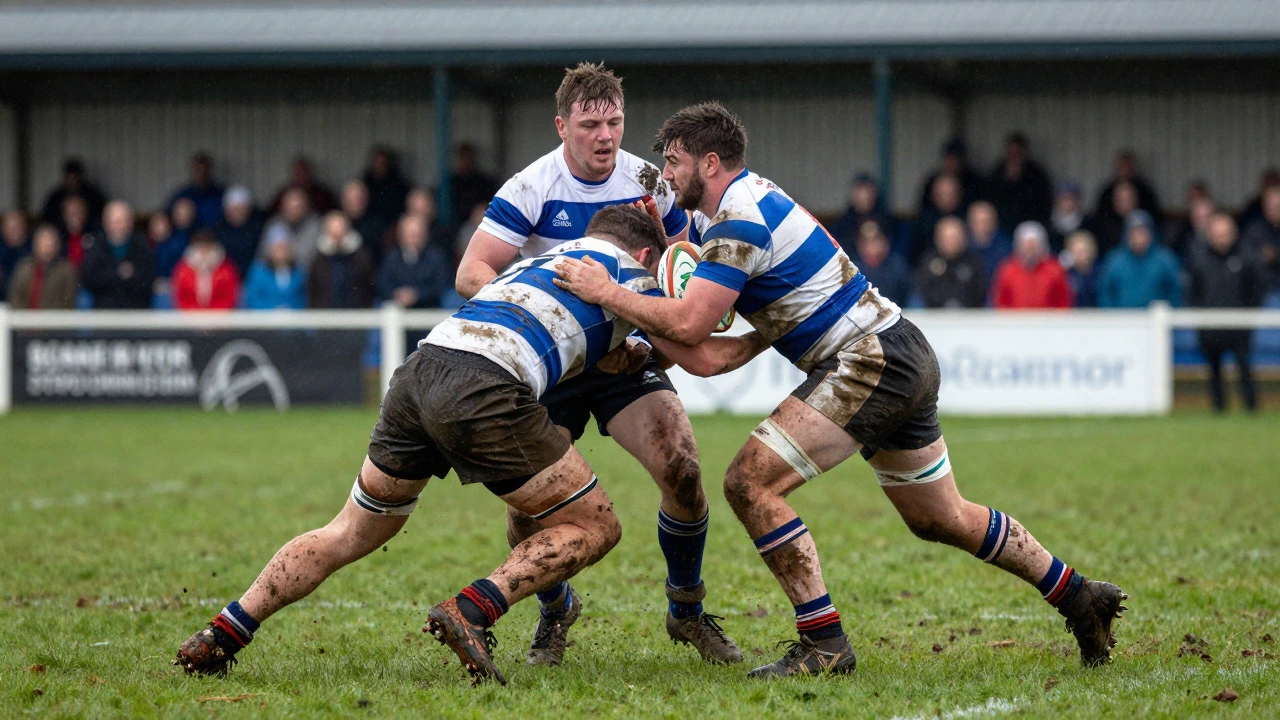
One big mistake outsiders make is thinking "rugby" is just a slower version of American football. It’s not. Another is assuming all British rugby is professional. While the top tiers are pro, grassroots rugby remains amateur across both codes. You’ll find Sunday leagues in villages where men play for the love of the mud, not the paycheck.
Also, don’t call it "football." Even though it involves kicking a ball, calling rugby "football" in the UK is a recipe for disaster. Football is soccer. Rugby is rugby. Mixing them up suggests you don’t understand the distinct cultures surrounding each sport.
Why the Distinction Matters Today
With global broadcasting, the lines are blurring slightly. Younger fans might watch both codes without knowing the difference. But for fixtures, betting, and team support, knowing which code you’re engaging with is crucial. Rugby Union has the global reach with the World Cup and the Six Nations. Rugby League has intense regional loyalty and a growing international profile through the Four Nations tournament.
So, what do Brits call rugby? They call it by its specific name: Union or League. Or, if they’re casual, just "rugby." But if you want to join the conversation, pick your code, learn the rules, and respect the local tradition. That’s how you fit in.
Is rugby union or rugby league more popular in the UK?
Rugby Union is generally more popular nationwide, especially in the south, Wales, Scotland, and Ireland. Rugby League has a stronger, more concentrated following in the north of England, particularly in Yorkshire and Lancashire.
Why is there a split between rugby union and rugby league?
The split occurred in 1895 due to disputes over player compensation. Working-class players in northern England wanted payment for time lost from work due to injury, which the Rugby Football Union refused. This led to the formation of the Northern Rugby Football Union, now known as Rugby League.
Can you play both rugby union and rugby league?
Yes, many players switch between codes, especially early in their careers or when moving between regions. The skills are similar, but the tactical understanding differs significantly due to the six-tackle rule in League versus continuous play in Union.
What is the difference in scoring between rugby union and rugby league?
In Rugby Union, a try is worth 5 points, conversion 2, penalty 3, and drop goal 3. In Rugby League, a try is worth 4 points, conversion 2, penalty 2, and drop goal 1. These differences affect strategy and game flow.
Which rugby code is easier for beginners to understand?
Rugby League is often considered easier for beginners to follow because the six-tackle rule creates clear phases of play. Rugby Union involves more complex restarts, lineouts, and scrums, which can be confusing for new viewers.