Swim Safety Guidelines: Essential Rules to Stay Safe in the Water
When it comes to swim safety guidelines, a set of practical rules designed to prevent drowning and water-related injuries. Also known as water safety rules, these guidelines aren’t just for kids—they’re life-saving habits anyone who enters the water needs to know. Whether you’re swimming in a pool, lake, or ocean, ignoring these basics can turn a simple splash into a tragedy. And no, it’s not just about knowing how to swim—it’s about understanding what happens when things go wrong, and how to stop them before they start.
Swim safety isn’t just one rule—it’s a chain of actions. Supervision, the constant watchful presence of a responsible adult near children in or near water is the first link. The CDC says nearly 80% of child drownings happen when an adult is nearby but distracted. That’s not negligence—it’s a gap in awareness. Then there’s swimming ability, the skill level needed to stay afloat, navigate currents, and exit the water safely. You don’t need to be an Olympian, but if you can’t tread water for a full minute or swim 25 yards without stopping, you’re at risk. And let’s not forget alcohol, a leading factor in adult drowning incidents, especially in open water. It’s not just about being drunk—it’s about impaired judgment, slower reaction times, and losing balance even in shallow water.
These guidelines aren’t suggestions. They’re the difference between walking away from the water and needing a rescue. Real people—parents, lifeguards, friends—have used these rules to pull someone back from the edge. You’ll find posts here that cover how adults learn to swim safely, what to do if you get caught in a current, why floatation devices matter even for strong swimmers, and how to spot signs someone’s in trouble before they scream. These aren’t theoretical tips. They’re based on real cases, real data, and real survival stories. What you’ll read below isn’t a checklist you can ignore. It’s the kind of knowledge that sticks with you—because once you know it, you can’t unlearn it.
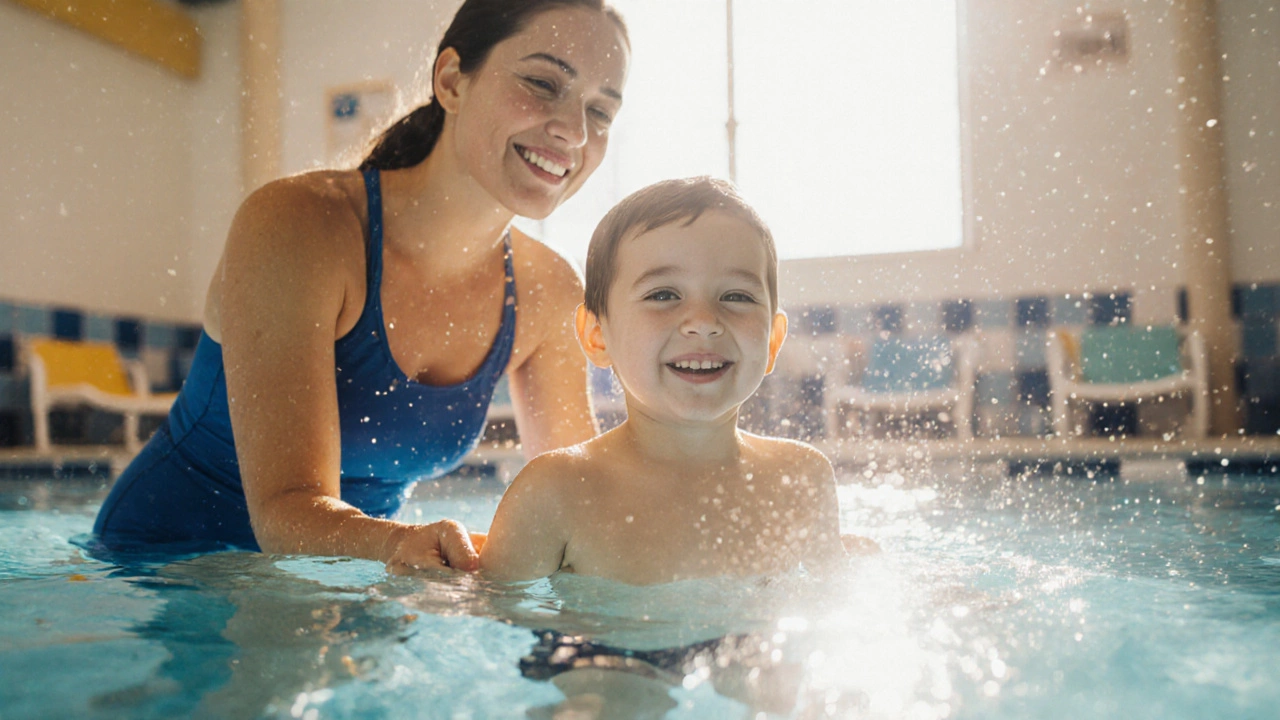
Is 7 Too Old to Start Swimming Lessons? Answers for Parents
Answering the common concern, this guide shows why age 7 is ideal for swimming lessons, outlines benefits, safety tips, program choices, and a step‑by‑step progress plan for parents.