Sports Analysis Equipment: Tools Athletes Use to Train Smarter
When you hear sports analysis equipment, tools and devices used to measure, track, and improve athletic performance. Also known as training analytics gear, it includes everything from heart rate monitors to motion-capture systems that turn sweat into data. This isn’t just for pros—it’s for anyone who wants to know if their training is actually working.
Behind every improvement in speed, strength, or endurance is a piece of tech someone used to see it. Wearable sensors, devices like GPS watches and muscle oxygen trackers tell you how hard your body is working in real time. Video motion analysis, software that breaks down your running form or tennis swing frame by frame finds tiny flaws you can’t feel. And force plates, smart mats that measure how you push off the ground help coaches adjust your jumps, sprints, or lifts before you get hurt.
You don’t need a lab to use this stuff. Many of the tools featured in our posts—like heart rate variability trackers for recovery, or apps that analyze your stride—are affordable and easy to start with. Whether you’re a 40-year-old tennis player trying to stay injury-free, a runner building stamina for a marathon, or someone lifting weights to get stronger, the right equipment turns guesswork into progress. It’s not about buying the most expensive gear. It’s about using what works to answer one question: Are you getting better?
Below, you’ll find real stories from athletes who used these tools to break through plateaus, fix bad habits, and train smarter—not harder. From how rugby players build leg strength with motion tracking, to why marathoners track their cadence down to the millisecond, these posts show what sports analysis equipment actually does for real people.
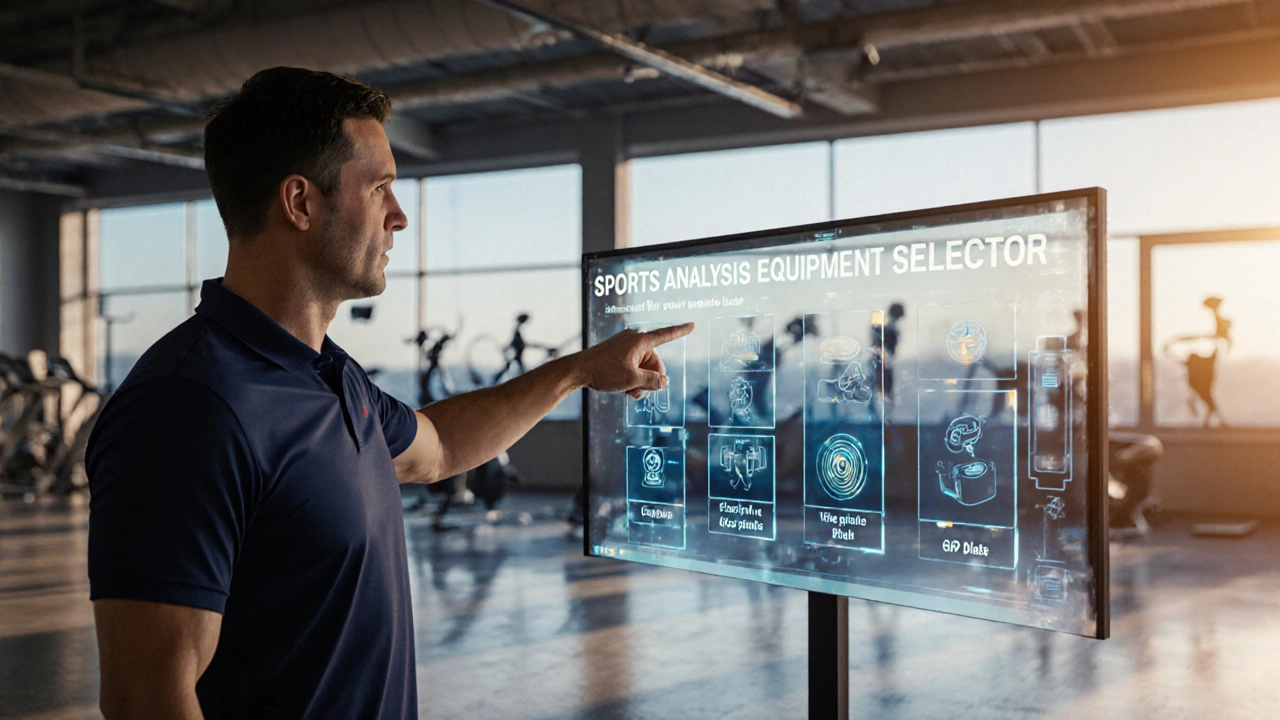
Essential Sports Analysis Equipment Guide
Discover the essential sports analysis equipment, from video cameras and drones to GPS trackers and force plates, with buying tips, a comparison table, and a practical FAQ.