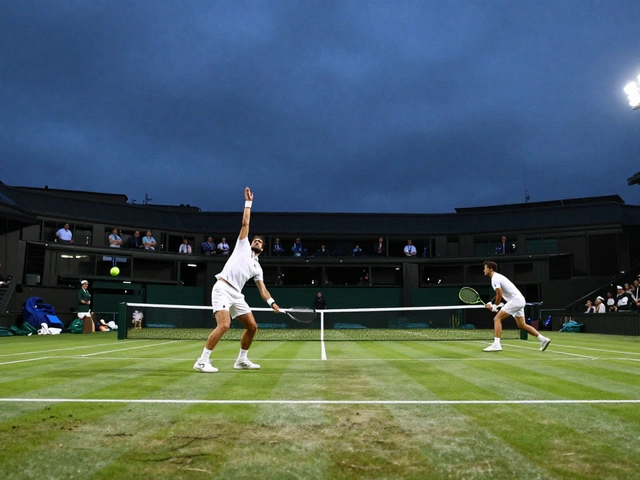
Rugby History: Origins, Evolution, and Key Moments That Shaped the Game
When you think of rugby history, the origin story of a sport born in an English school that grew into a global phenomenon with deep cultural roots. Also known as rugby football, it’s not just about tackles and tries—it’s about identity, tradition, and raw physicality that still defines how the game is played today. The story starts in 1823 at Rugby School in Warwickshire, England, where legend says William Webb Ellis picked up the ball during a football match and ran with it. Whether it’s true or not, that moment became the symbolic birth of a sport that refused to stick to the rules of soccer or football. What followed wasn’t just a new game—it was a new way to compete.
By the mid-1800s, different clubs started writing their own rules. Some liked the running game. Others wanted to keep it grounded with kicking. That split led to the creation of rugby union, the original version of the sport with 15 players per side, contested globally from New Zealand to Japan, and later rugby league, a faster, professionalized version that emerged in Northern England in 1895 over payment disputes. These two branches still exist today, with different rules, cultures, and fan bases. Rugby union became the face of the sport internationally, especially after the first Rugby World Cup in 1987, which turned nations like New Zealand, South Africa, and England into household names. The rugby history of those early clashes on muddy pitches became the foundation for today’s global tournaments, where national pride is on the line every time the ball is kicked off.
It’s not just about the rules or the trophies. Rugby history is written in the way players train, the way communities rally around their teams, and even how the sport adapted to modern demands. You see it in the massive legs of modern forwards—built for scrums and tackles—and in the way French fans chant "rugby" with pride, or how Brazil is quietly building a team despite having no tradition in the sport. The game survived bans, wars, and debates over professionalism. It didn’t just survive—it thrived because people cared. And that’s why you’ll find posts here about why rugby players have such powerful legs, how the sport is called in different countries, and which nations love it the most. This collection doesn’t just list facts. It shows you how rugby history lives in every tackle, every haka, every final whistle.
What follows is a curated look at the people, places, and moments that shaped rugby as we know it—backed by real data, cultural insight, and the voices of those who live it. Whether you’re new to the game or you’ve watched it for decades, you’ll find something here that connects you to its past—and maybe even changes how you see it today.
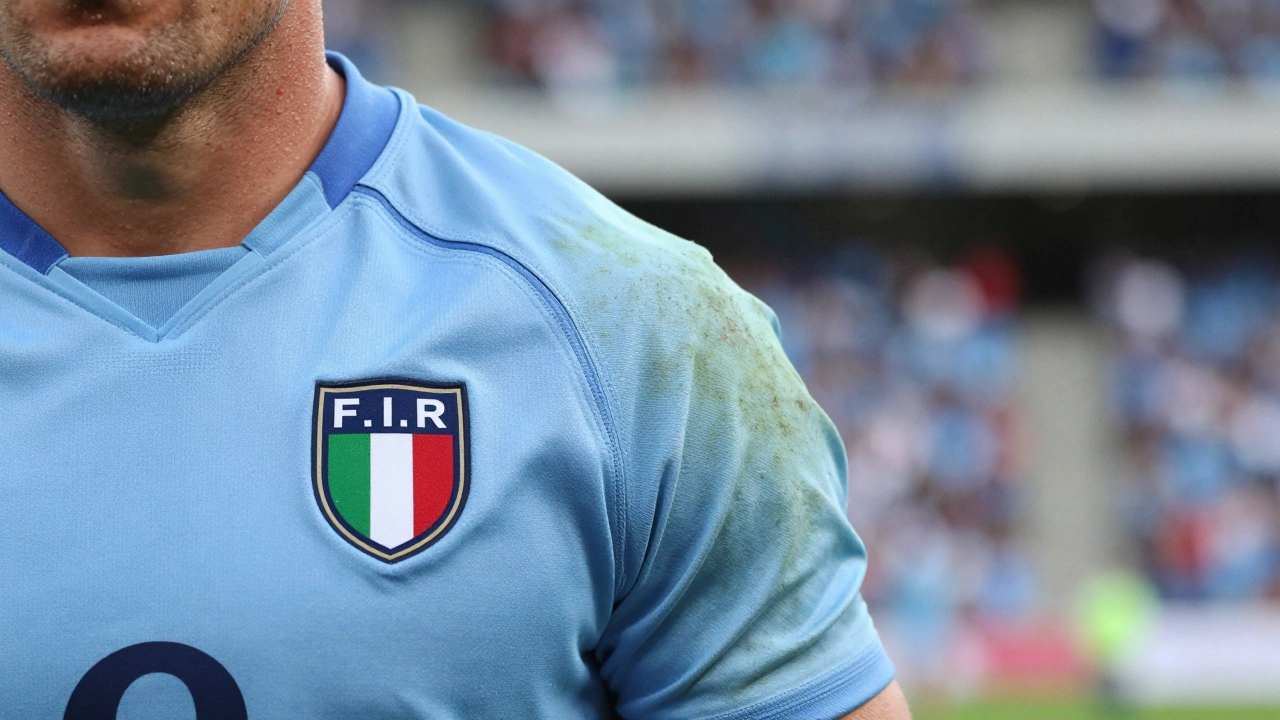
What is Italy's Nickname in Rugby? The Azzurri Explained
Discover why Italy's rugby team is called the Azzurri. Learn the history behind the nickname, its connection to Italian culture, and how it compares to other Six Nations teams.
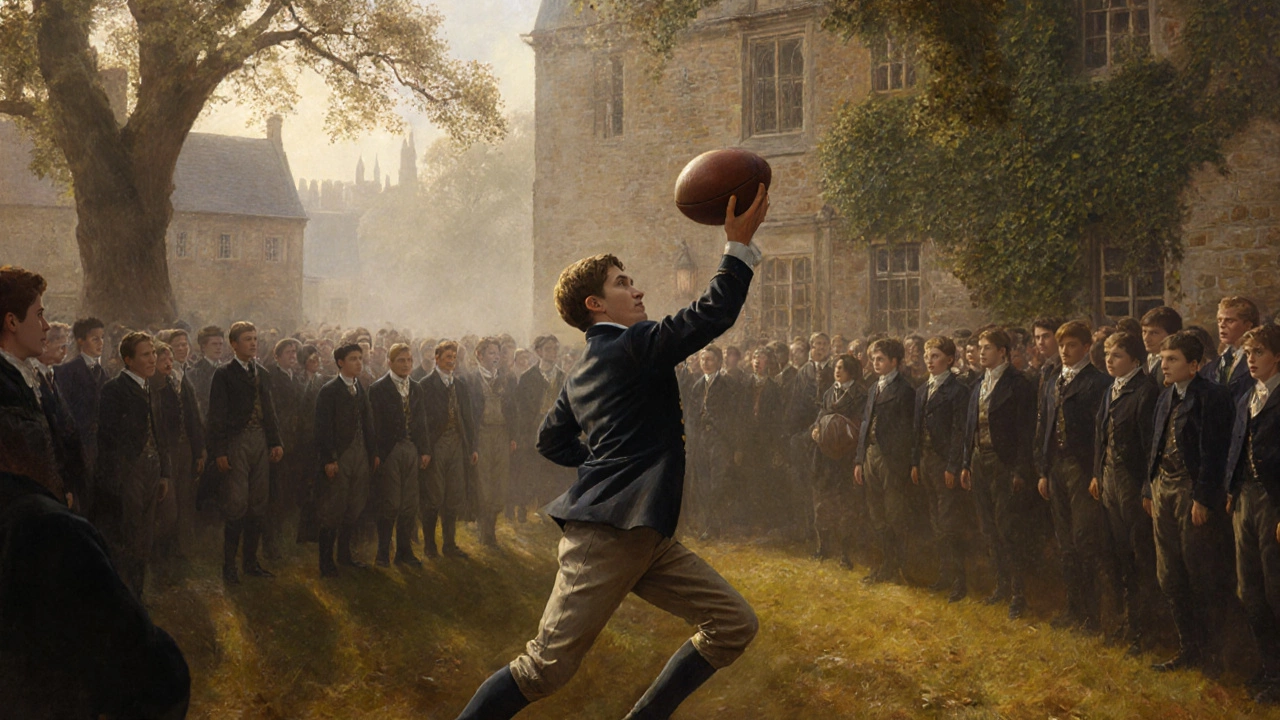
Why Is Rugby Called Rugby? The Real Story Behind the Name
Rugby is named after Rugby School in England, where a student picked up a football and ran with it in 1823. The game evolved from there, splitting from soccer and spreading worldwide under the same name.
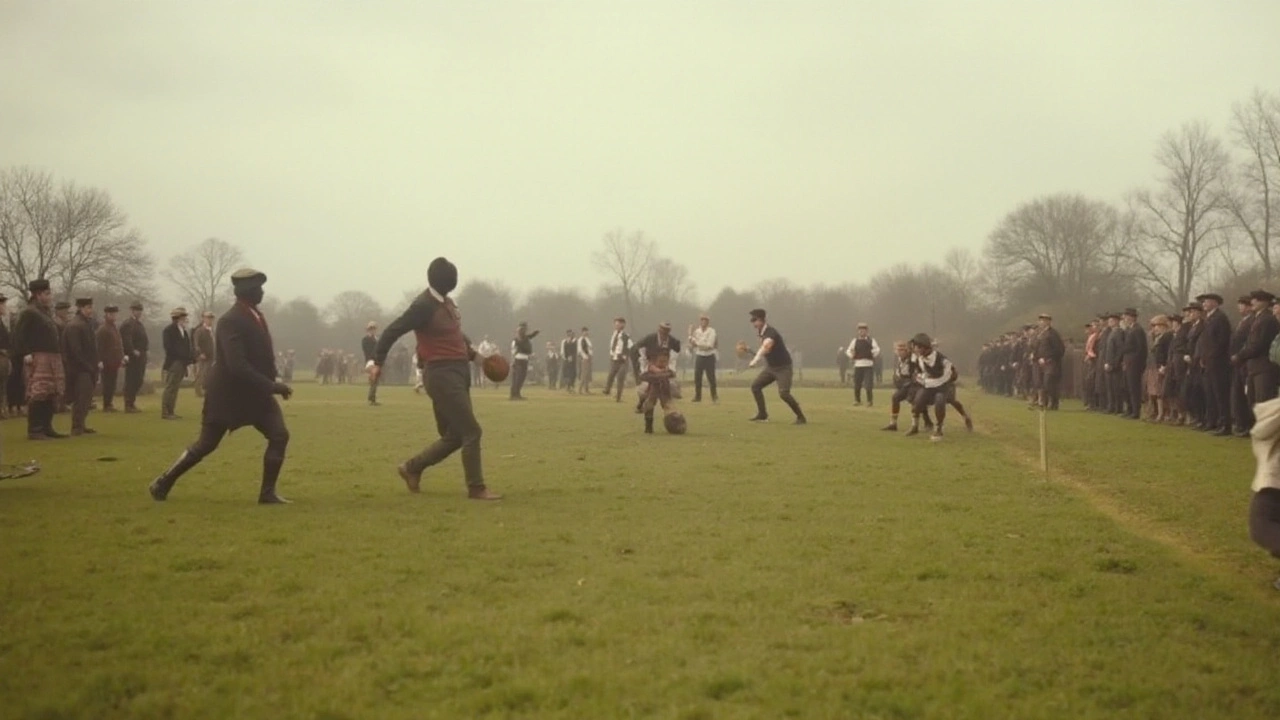
Uncovering the Origins: Rugby vs. Football
The history of rugby and football is steeped in rich traditions that often intertwine and diverge. Both sports have evolved significantly since their inception, with roots that trace back into ancient times. This article explores the origins of these marquee sports, shedding light on their development through the ages. By examining their shared history, we aim to unravel whether rugby can lay claim to being older than football.