Exercise After Eating: What Works, What Doesn’t, and Why It Matters
When you exercise after eating, the physical activity you do following a meal. Also known as post-meal workout, it’s something millions of people do without thinking—whether it’s a walk after dinner or a run before lunch. But is it good for you? Bad? Or just a myth? The answer isn’t simple, and it depends on what you ate, how hard you’re pushing, and what your body’s used to.
Most people worry about cramps or nausea, and yes—doing intense exercise right after a big, greasy meal can make you feel awful. But light movement? That’s different. A 2021 study from the Journal of Sports Science & Medicine found that walking for 20 minutes after eating helps lower blood sugar spikes better than waiting an hour. That’s why so many diabetics and fitness-focused people make post-meal walks part of their routine. It’s not about burning calories fast—it’s about keeping your body in balance.
Then there’s the digestion, how your body breaks down food using enzymes and muscle contractions. Also known as gastrointestinal processing, it’s a quiet, energy-heavy process that needs blood flow to your stomach. When you jump into a hard workout, your body redirects that blood to your muscles. That’s why heavy lifting or sprinting right after a large meal feels like a battle inside your gut. But if you eat a small, balanced snack—say, a banana and peanut butter—and wait 30 to 45 minutes, your body can handle both digestion and movement without conflict. This is why runners and athletes often time their fueling. Marathoners eat a light carb snack 60 to 90 minutes before a long run. Gym-goers who lift after lunch often pick protein and oats—not pizza.
And let’s not forget the timing, when you choose to move in relation to eating. Also known as workout scheduling, it’s one of the most overlooked parts of fitness. You don’t need to wait two hours after eating to move. You just need to match the intensity to the meal. A heavy meal? Wait. A light snack? Go. A walk after dinner? Perfect. A HIIT session after a burger? Probably not. The posts below show real people doing this right—whether they’re middle-aged tennis players fitting in a jog after lunch, marathoners fueling smart before training, or beginners learning how to move without feeling sick. You’ll find practical advice on what to eat, when to move, and how to avoid the common mistakes that make people quit.
Should You Exercise After Eating? Timing Your Workouts Right
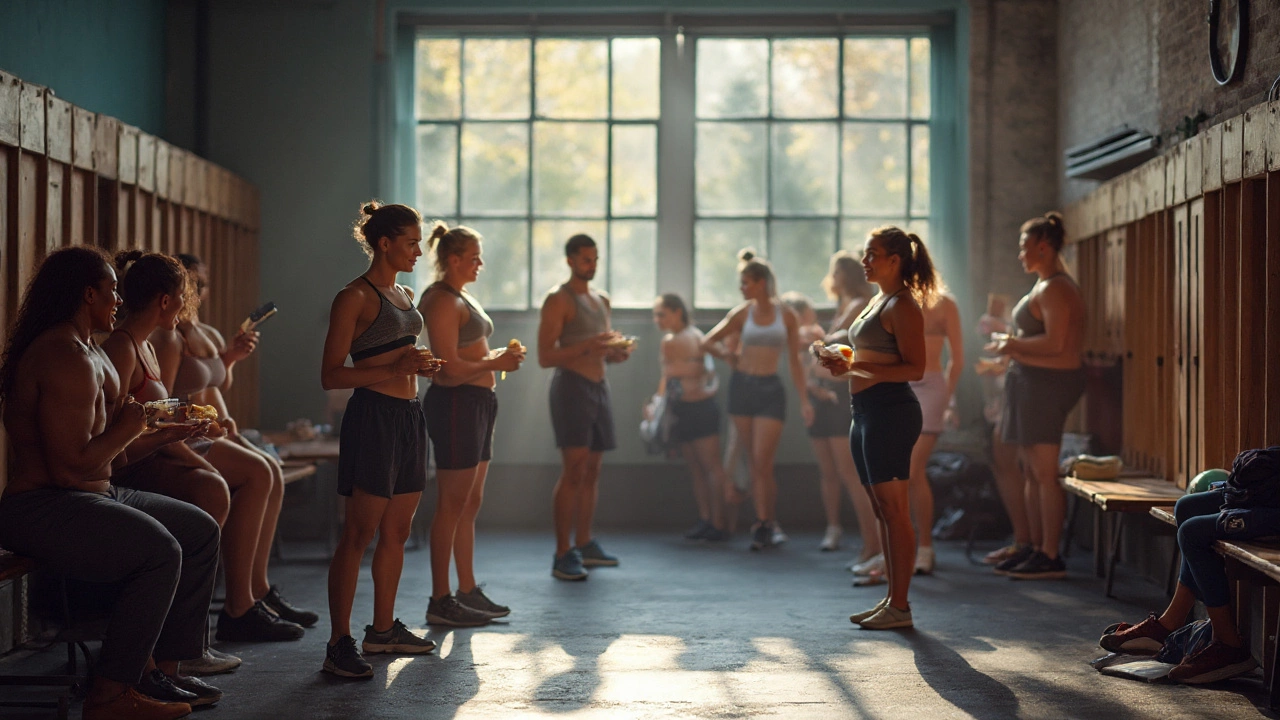
Wondering if it’s smart to hit the gym after eating? This guide breaks down the facts, explains how digestion affects workouts, and helps you time your exercise for the best results.