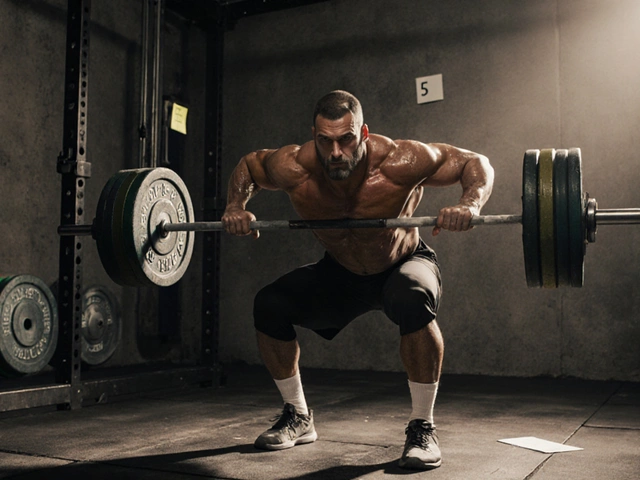
Comparison in Sports: What Works, What Doesn't, and Why It Matters
When you're trying to get better at sports, comparison, the process of evaluating different approaches to training, recovery, and performance. Also known as side-by-side analysis, it's not about picking the flashiest method—it's about finding what actually fits your body, goals, and lifestyle. Too many people copy what pro athletes do without asking if it makes sense for them. Is lifting heavy the only way to run faster? Can you build muscle without losing endurance? These aren’t just questions—they’re decisions that shape your results.
Real comparison in sports means looking at what works for real people, not just elite athletes. Take training frequency, how often you work out. Some say you need to train five days a week. Others swear by three. The truth? If you’re consistent, smart, and recover well, three solid sessions a week can deliver real results—just like the data shows in posts about working out three times a week. Then there’s endurance vs strength, the tension between building muscle and building stamina. Can you be muscular and run a marathon? Yes—but only if you train for both, not just one. The key isn’t choosing one over the other. It’s understanding how they interact.
Comparison also applies to recovery. Athletes don’t need the most expensive gear—they need sleep, nutrition, and time to heal. That’s why posts about what athletes truly need focus on habits, not gadgets. And when it comes to aging? Is 40 too old for tennis? No. But the way you train, recover, and choose gear changes. Comparison isn’t about being younger or stronger. It’s about adapting. Same with swimming. Can adults learn? Absolutely. But the approach is different than for kids. Age, body type, goals—these all change what works. That’s why comparison matters. It’s not about what’s popular. It’s about what’s right for you.
Below, you’ll find real-life comparisons that cut through the noise. From tennis gear for over-40 players to how rugby players build massive legs, from marathon training for beginners to why ATP and WTA are separate tours—each post answers a question you’ve probably asked yourself. No fluff. No hype. Just clear, practical comparisons that help you make smarter choices. Find what fits. Skip what doesn’t. Get better.
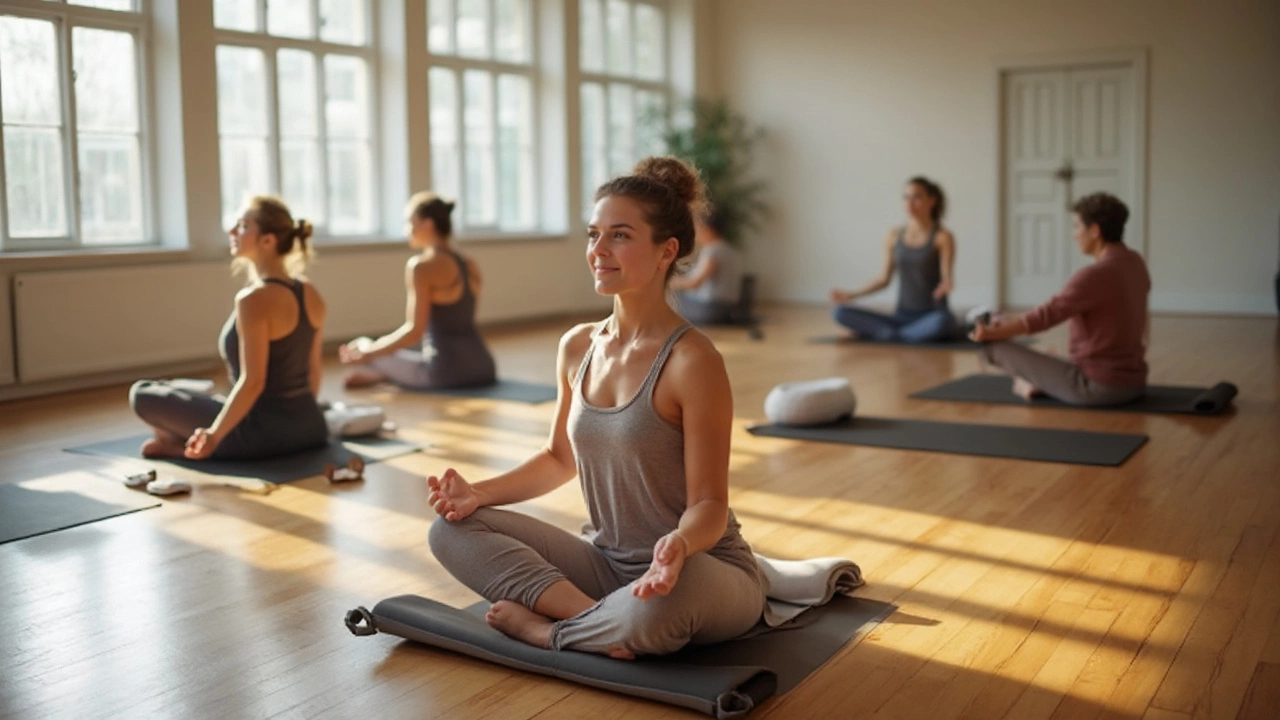
Yoga or Pilates: Which Is Better for You?
Confused between yoga and Pilates? This article breaks down the key differences, the benefits of each, and who is most likely to enjoy or benefit from either practice. We'll look at what happens in a typical class, how each works on your body and mind, and share useful insights so you pick what's right for you. Get the facts, skip the hype. You'll have a clearer idea of where to roll out your mat after reading.