Boxing Ring: What It Is, How It Works, and Why It Matters in the Sport
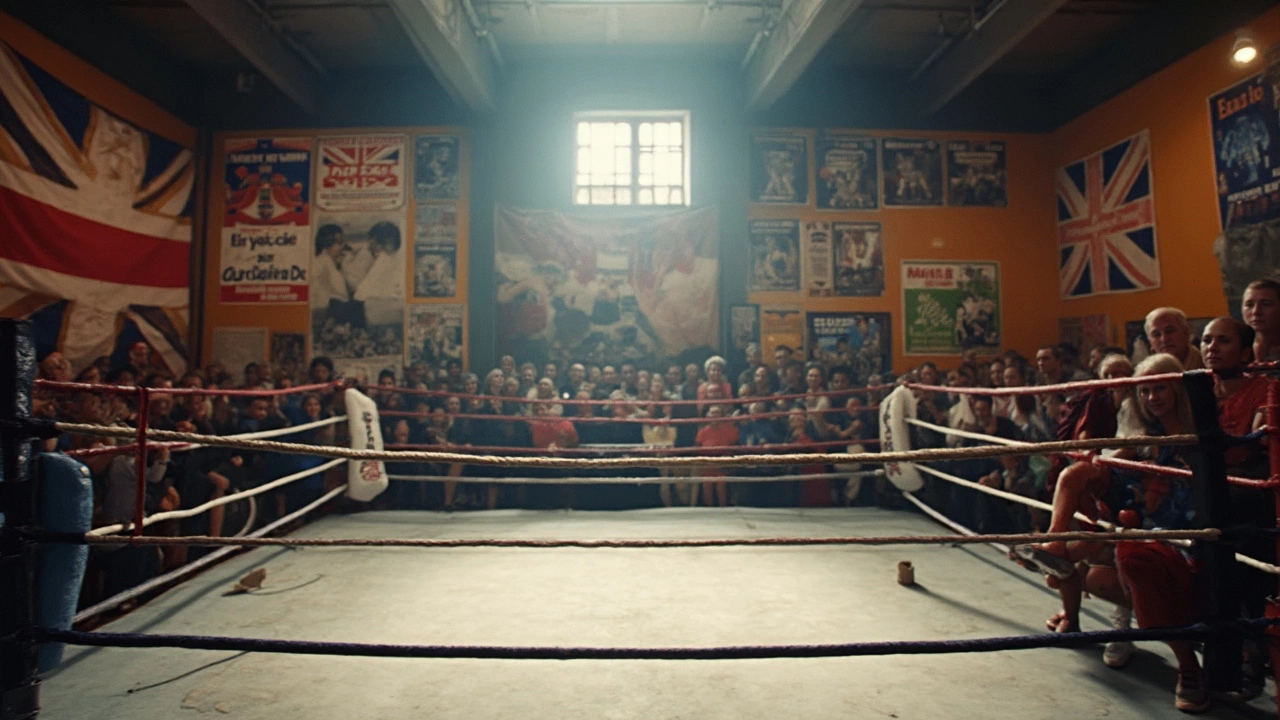
When you think of boxing, you picture two fighters in a boxing ring, a raised, square platform surrounded by ropes, where professional and amateur fights take place. Also known as a ring, it’s not just a space—it’s the controlled environment that defines the entire sport. Unlike other combat sports that use cages or mats, the boxing ring is open on all sides, forcing fighters to stay engaged, manage distance, and use footwork to survive. It’s where every punch, slip, and counter has to be precise—because there’s nowhere to hide.
The boxing ring, a 16 to 20-foot square with canvas flooring and four ropes isn’t just for show. Its size, padding, and rope tension are regulated by athletic commissions. A standard professional ring is 20 feet across, giving fighters just enough room to move without running into the ropes too often. The ropes? They’re not there to trap you—they’re there to bounce you back into action. Too tight, and you can’t move. Too loose, and it becomes dangerous. That’s why ring setup is part of the pre-fight ritual, checked by referees before the bell.
And it’s not just the ring itself—it’s what happens inside it. The boxing match, a structured contest governed by rules like no low blows, no holding, and no hitting behind the head relies on the ring to enforce fairness. Every round ends with the bell, every knockdown is counted, and every fighter must return to a neutral corner. The ring makes these moments possible. It’s where the boxing rules, a unified code enforced by referees and judges to ensure safety and sportmanship come alive. You can’t have a clean fight without a clean ring.
What about gear? The boxing equipment, including gloves, mouthguards, and hand wraps, all interact directly with the ring environment. Heavy gloves reduce impact, but they don’t eliminate it—so the ring’s padding matters. A fighter slips on the canvas? The ring’s surface gives just enough grip to prevent injury but enough slide to let them pivot. Even the corner men rely on the ring’s structure—they stand on the apron, ready to throw in the towel or hand a water bottle through the ropes.
And then there’s the psychology. The ring is a stage. Crowds lean in. Cameras circle. The silence before the bell is louder than any cheer. Fighters don’t just train to hit harder—they train to control space, to own the center, to make their opponent feel trapped in a 20-foot square. That’s why legends like Ali and Tyson didn’t just fight with their fists—they fought with the ring.
What you’ll find below are real stories and facts about the boxing ring—from how long a 12-round fight actually lasts, to what moves are banned inside it, to the slang fans use when they describe a brutal knockdown. Whether you’re a new fan wondering why the ring matters, or a seasoned viewer who’s seen it all, these posts break down the truth behind the ropes.
Boxing Ring: Where Every Match Really Happens
Ever wondered what the place where boxing happens is actually called? The right name is important, especially if you're new to the sport or want to sound like you know your stuff. This article breaks down what a boxing ring is, why it's shaped the way it is, and how it got its name. You'll pick up some cool facts, discover why size matters, and get a few tips if you're heading to your first live match. Perfect for curious minds or anyone thinking about giving boxing a try.