Ancient Games: Origins, Evolution, and How They Shape Modern Sports
When we talk about ancient games, organized physical competitions held in early civilizations, especially in Greece and Rome, often tied to religion, politics, or civic pride. Also known as classical sports, these events weren’t just entertainment—they shaped how societies viewed strength, discipline, and human potential. The Olympic Games, a religious and athletic festival held every four years in ancient Greece to honor Zeus began in 776 BCE and ran for over a thousand years. Athletes competed naked, trained in public gymnasiums, and won olive wreaths—not money or medals. But the spirit? That’s alive today in every sprinter exploding out of the blocks or every weightlifter grinding through a final rep.
Gladiatorial contests, violent spectacles in ancient Rome where trained fighters battled each other or wild animals for crowd approval might seem far removed from modern boxing or MMA, but they shared the same core: spectacle, skill, and survival. The rules were brutal, yes—but so was the training. Gladiators followed strict diets, worked with coaches, and recovered with massage and herbal baths. Sound familiar? That’s the same blueprint modern athletes use, just without the lions. Even the Roman games, a broad category including chariot racing, wrestling, and ball games played in amphitheaters across the empire influenced how we structure events today: timed rounds, public venues, fan loyalty, and even the idea of champions.
These weren’t just random activities. Ancient games were social glue. They built identity, honored gods, and tested limits. The same way we track marathon times or cheer for tennis stars, Romans cheered for charioteers and Greeks crowned victors with laurels. The ancient games didn’t disappear—they evolved. The marathon comes from a runner who carried news from Marathon to Athens. Wrestling styles from Sparta live on in Olympic freestyle. Even the idea of amateur vs. professional? That started with Greeks who saw sport as noble, and Romans who turned it into profit.
What you’ll find in these posts isn’t just history. It’s the hidden DNA of every sprint, every lift, every match played today. Whether it’s how athletes recover, why we train in cycles, or how competition became a global language—every thread leads back to those first games in Olympia, Rome, or beyond. You’re not just reading about the past. You’re seeing why we still run, fight, and push ourselves—because ancient games taught us how to be human.
Uncovering the Origins: Rugby vs. Football
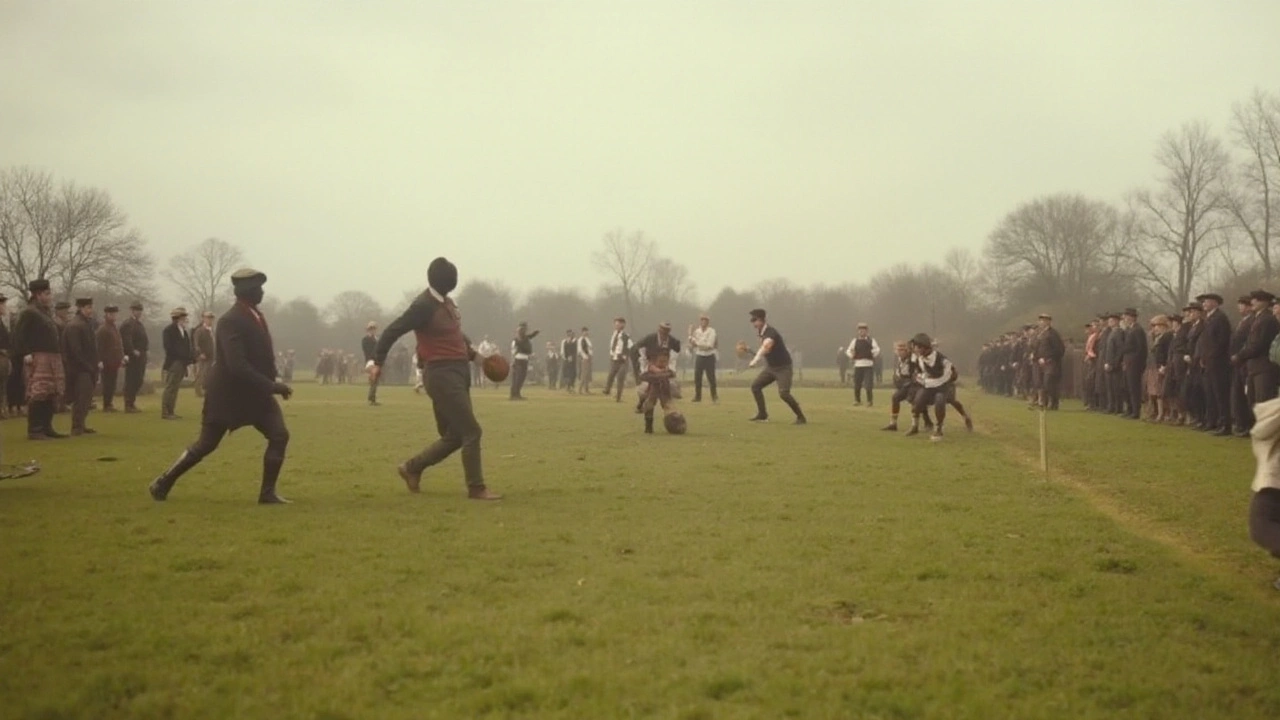
The history of rugby and football is steeped in rich traditions that often intertwine and diverge. Both sports have evolved significantly since their inception, with roots that trace back into ancient times. This article explores the origins of these marquee sports, shedding light on their development through the ages. By examining their shared history, we aim to unravel whether rugby can lay claim to being older than football.