Aging and Sports: Can You Stay Active as You Get Older?
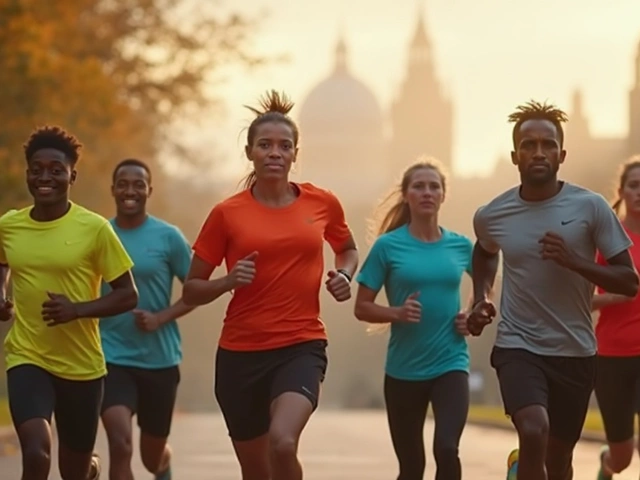
When we talk about aging, the natural process of growing older that affects physical ability, recovery, and energy levels. Also known as getting older, it doesn’t have to mean giving up sports or fitness. Thousands of people in their 40s, 50s, and beyond are running marathons, playing tennis, lifting weights, and swimming laps—not because they’re exceptions, but because they figured out how to train smart, not hard.
Senior athletes, people over 40 who compete or train regularly in sports. Also known as mature athletes, they don’t rely on youth—they rely on consistency, recovery, and smart programming. You don’t need to be 20 to build muscle or lose belly fat. A 45-year-old can train for a marathon just like a 25-year-old, if they adjust rest, nutrition, and intensity. The same goes for tennis. It’s not about how fast you move, but how well you move. Gear matters. Recovery matters. Mindset matters more.
Fitness over 40, a practical approach to staying strong and mobile as your body changes with age. Also known as age-appropriate training, it’s not about chasing youth—it’s about keeping function. That means fewer long, brutal sessions and more focused, efficient workouts. It means listening to your body, not ignoring it. It means understanding that your joints, muscles, and energy levels shift—but they don’t shut down. People over 40 who stick with sports do it by mixing strength, mobility, and low-impact cardio. They don’t skip rest. They don’t chase trends. They stick to what works.
What you’ll find below aren’t just articles—they’re real stories from people who didn’t quit when they turned 40. One guy plays competitive tennis after 40 with the right shoes and a 10-minute warm-up. Another built muscle while training for a marathon. A woman learned to swim at 52. Someone else lost belly fat in seven days—not with a miracle diet, but with three smart gym sessions a week. These aren’t outliers. They’re examples of what’s possible when you stop believing aging means slowing down.
You don’t need to be young to be strong. You just need to know how to train for your body—not someone else’s.

Do Runners Age Faster? The Impact of Marathon Training on Aging
The relationship between marathon training and aging is complex. While some believe that the physical demands of long-distance running can accelerate aging, others point out its health benefits. This article explores whether runners actually age faster, backed by scientific findings and expert insights. You'll find useful tips on how to enjoy running while managing the aging process effectively.