Running Shoes November 12, 2026
How Long Should Running Shoes Last? Mileage, Signs & Tips
Running Shoe Lifespan Calculator
Estimate when to replace your running shoes based on usage, weight, and surface type.
Your Profile & Usage
Racers degrade faster due to aggressive foams.
Foam degrades over time even if unused.
Fill in the form to calculate your shoe's remaining life.
Physical Inspection Checklist
Check these signs regardless of mileage. If multiple are present, consider replacing immediately.
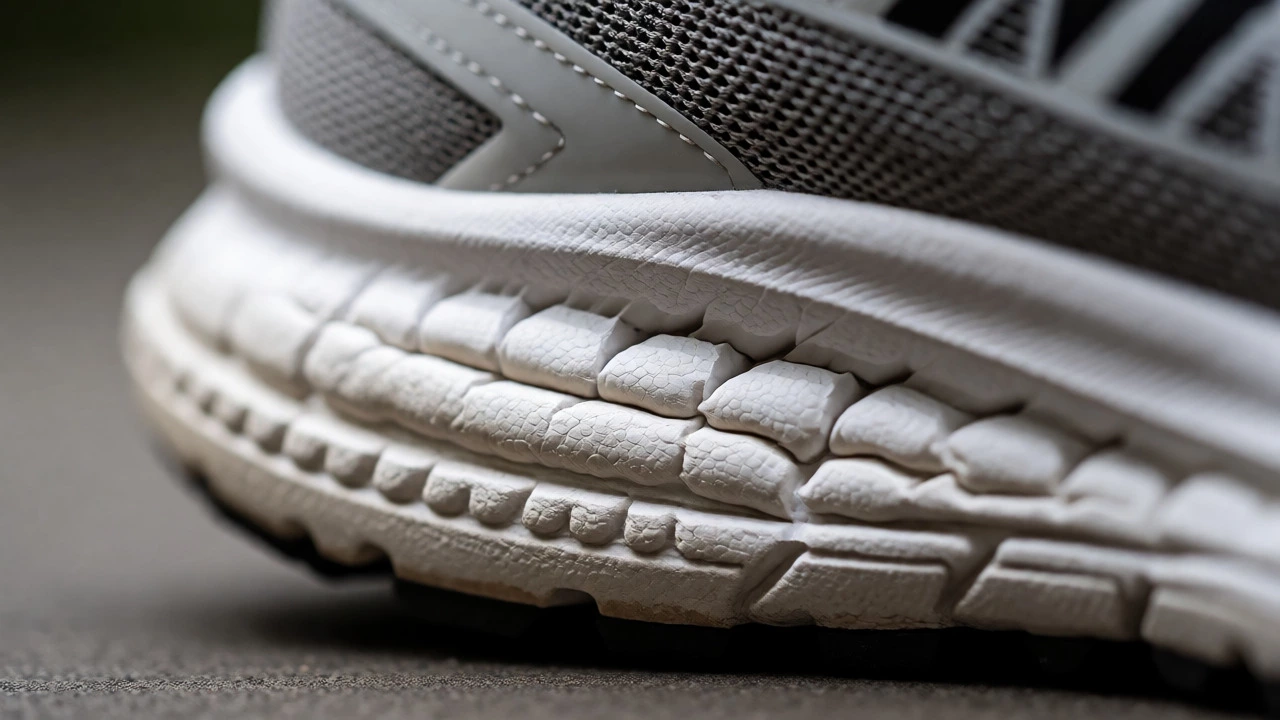
Midsole Creasing
Uneven Outsole Wear
Hard/Loss of Bounce
New Aches/Pains
You’ve probably felt it: that subtle loss of bounce in your stride, or a nagging ache in your shins after a run that used to feel easy. You look down at your running shoes and think, "Do these still have life left in them?" It’s a question every runner faces, from the weekend jogger to the marathon hopeful. The truth is, there isn’t one magic number stamped on every sole, but there are clear signs and general rules that can save you money-and more importantly, prevent injury.
The 300-500 Mile Rule (And Why It’s Not Set in Stone)
Most manufacturers suggest replacing your shoes every 300 to 500 miles. This range exists because foam midsoles, which provide cushioning and energy return, degrade over time due to compression and heat. But here’s the catch: this guideline assumes average conditions. If you’re a heavier runner, you’ll compress the foam faster. If you run mostly on soft trails, your outsole might last longer, but the midsole could break down quicker due to uneven stress. Conversely, if you only run once a week, your shoes might hit five years old before they hit 300 miles. Does age matter as much as distance? Sometimes. Polyurethane and EVA foams can harden or lose resilience even when sitting in a closet, though modern TPU-based foams hold up better against time than they do against constant pounding.
Signs Your Shoes Are Past Their Prime
Don’t just trust the odometer. Your body is the best sensor for worn-out gear. Pay attention to these physical cues:
- Visible Midsole Creasing: Look at the side of the foam. Deep, permanent wrinkles mean the structure has collapsed. It won’t spring back.
- Uneven Outsole Wear: Check the tread. If the rubber is bald in specific spots-usually the heel strike area or the big toe push-off-you’ve lost traction and stability.
- Loss of Cushioning: Press your thumb into the midsole. If it feels rock-hard instead of resilient, the foam is dead.
- New Aches and Pains: Sudden shin splints, knee pain, or plantar fasciitis flare-ups often signal that your shoes no longer absorb impact effectively.
- Upper Damage: Tears in the mesh or broken eyelets compromise fit and support, leading to blisters or unstable footing.

Factors That Shorten Shoe Lifespan
Why does one pair last 600 miles while another dies at 250? Several variables play a role. First, runner weight significantly impacts foam compression. Heavier runners exert more force per step, accelerating material fatigue. Second, running surface matters. Concrete is abrasive and unforgiving; asphalt is slightly softer; trails with rocks can puncture or shear the midsole. Third, gait mechanics dictate wear patterns. Overpronators might see medial breakdown, while supinators wear down the lateral edge. Finally, climate plays a sneaky role. Extreme heat can soften foam prematurely, while extreme cold makes it brittle. Storing shoes in a hot car trunk during summer is a quick way to ruin their structural integrity.
| Runner Profile | Weekly Mileage | Expected Lifespan (Miles) | Notes |
|---|---|---|---|
| Lightweight Beginner | 10-15 miles | 400-500 | Foam lasts longer due to lower impact load. |
| Average Recreational | 20-30 miles | 300-400 | Standard replacement window. |
| Heavy Runner (>200 lbs) | 20-30 miles | 250-350 | Higher compression rates require earlier replacement. |
| Elite/High Volume | 40+ miles | 200-300 | Prioritize performance; rotate multiple pairs. |
Race Day vs. Training Day: Different Lifespans
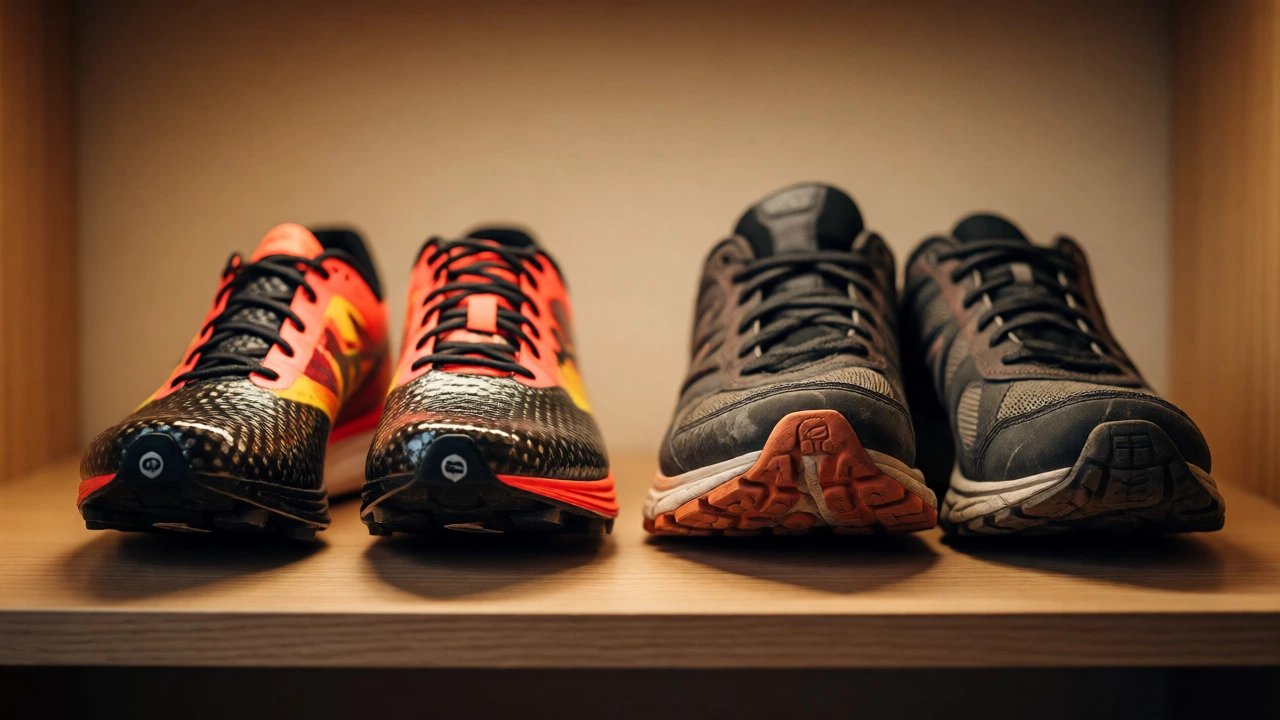
If you own carbon-plated racing shoes, treat them differently than daily trainers. These high-performance models use aggressive foams like PEBA and stiff carbon plates. They offer incredible energy return but sacrifice durability. Most coaches recommend retiring race shoes after 100-150 miles or three to four marathons. Using them for daily easy runs wastes their potential and accelerates wear. Save them for speed work and races. Daily trainers, built with durable rubber and stable foams, are designed for longevity. Rotating between two pairs of daily trainers allows the foam to recover between runs, potentially extending each pair’s life by 10-15%.
How to Make Your Shoes Last Longer
You can’t stop physics, but you can slow degradation. Here’s how:
- Rotate Your Shoes: Never run two days in a row in the same pair. Foam needs 24-48 hours to decompress and regain shape. Rotation also reduces moisture buildup, preventing bacterial growth and upper deterioration.
- Air Dry Only: Never put running shoes in the dryer. Heat melts adhesives and warps foam. Stuff them with newspaper to absorb moisture and let them air dry away from direct sunlight.
- Use Them Only for Running: Walking adds extra miles without the benefit of running-specific cushioning needs. Save your running shoes for running. Use separate sneakers for gym classes or errands.
- Tighten Properly: Loose shoes cause excessive friction and sliding, wearing out the insole and upper. Secure lacing keeps your foot stable, reducing uneven wear.
When to Replace Based on Injury History
If you’re prone to injuries, be conservative. Worn-out shoes alter biomechanics subtly. As cushioning fails, impact forces travel up your legs. If you’ve recently dealt with stress fractures or tendonitis, don’t wait until the shoes look terrible. Replace them at the lower end of the mileage estimate (around 250-300 miles). Your body will thank you. Also, consider getting a gait analysis at a specialty running store. They can identify if your current shoes are mismatched to your foot type, causing premature failure regardless of mileage.
Can I extend my running shoes' life by freezing them?
Some people claim freezing shoes restores foam elasticity. While cold temperatures can temporarily stiffen materials, there is no scientific evidence that freezing reverses the permanent compression set of degraded EVA or PU foams. It may kill bacteria, but it won't bring dead cushioning back to life.
Is it bad to run in worn-out shoes?
Yes. Worn-out shoes lack proper shock absorption and stability. This increases the risk of common running injuries such as shin splints, plantar fasciitis, runner's knee, and stress fractures. Continuing to run in compromised footwear can lead to chronic issues that take months to heal.
How do I track my running shoe mileage?
Most running apps like Strava, Garmin Connect, or Nike Run Club allow you to log equipment. Create an entry for each pair of shoes and link your runs to that specific pair. The app will automatically calculate total mileage. Alternatively, write the date and starting mileage inside the tongue of the shoe for a low-tech solution.
Do expensive running shoes last longer than cheap ones?
Not necessarily. Expensive shoes often use lighter, more responsive foams that may degrade faster under heavy loads. Cheaper shoes sometimes use denser, harder rubbers and basic EVA foams that are more durable but less comfortable. Price correlates with performance features, not always longevity.
Should I replace shoes if they look new but are five years old?
If they have been unused, likely yes. Materials like glue and foam can oxidize and harden over time, even without use. Five-year-old shoes may feel stiff and uncomfortable, lacking the necessary flexibility and shock absorption for safe running.